Lecture details Pyongyang's rapid postwar building campaign
An associate professor explained how a construction motto defined North Korea's urban development from 1953 to 1961.
By Carmen Wojcik ·
Dr. Cheehyung Harrison Kim, an associate professor in the Department of History at the University of Hawai'i at Mānoa, spoke at the Charles B. Wang Center at SUNY Stony Brook. The event focused on the postwar construction boom in North Korea and its impact on the nation's urban identity.
Kim argued that the architecture built after the Korean War served two distinct purposes. The first category consisted of monumental structures designed to symbolize the state's utopian vision. The second category included vernacular structures that supported the regime's production goals. Both types of buildings reflected a work culture centered on state authority.
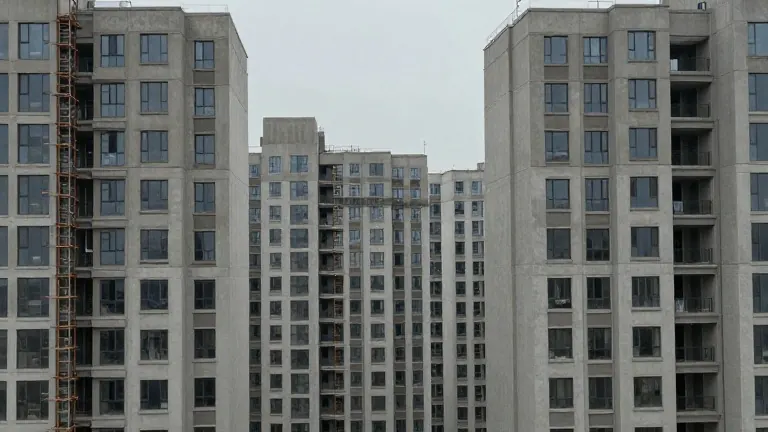
The speed of construction in Pyongyang became a defining feature of this era. Kim noted that the phrase "one apartment every fourteen minutes" served as a motto on construction sites. This slogan captured the drive for efficiency, prefabrication, and rapid urbanization. The project relied on a high level of international cooperation to achieve these goals.
According to Kim, the collective memory of this intense period of building began to fade in the 1970s. However, the physical structures from that era remain standing today. They continue to shape the urban landscape of the capital.
Kim's academic work explores socialism, labor, and urbanism in East Asia. He is the author of Heroes and Toilers: Work as Life in Postwar North Korea, 1953-1961, which was published by Columbia University Press. He also serves as the editor of the journal Korean Studies: Global Research and Critique.