Tesla moves self-driving goalposts to 2027 with a major catch
Unsupervised driving in customer cars is now targeted for next spring, but only within specific robotaxi zones rather than everywhere owners want to go.
By Layla Fontaine ·
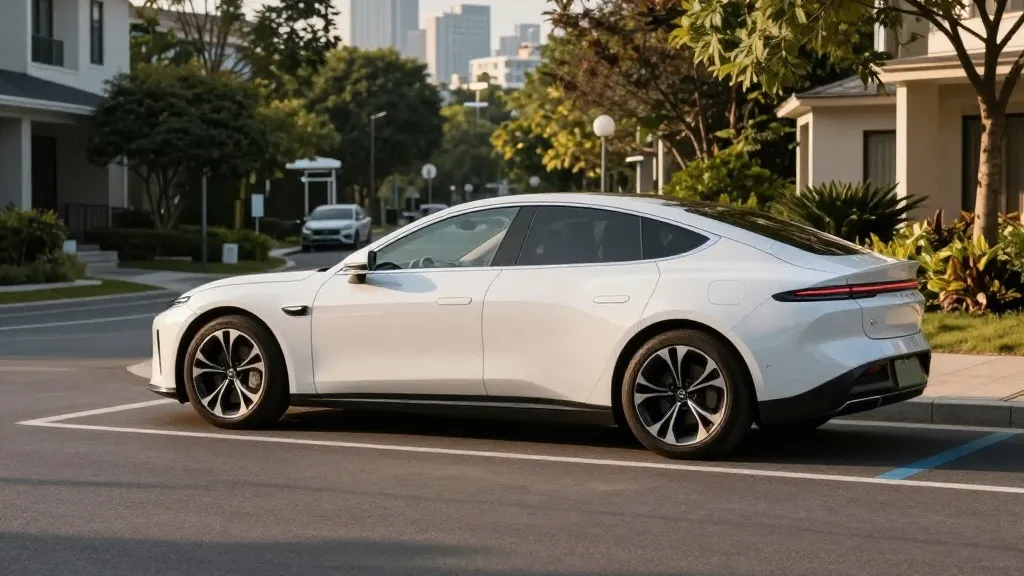
Tesla has officially set a new timeline for unsupervised Full Self-Driving in cars owned by customers, pointing to the second quarter of 2027. This announcement comes during the company's third-quarter earnings call and represents the latest shift in a promise that CEO Elon Musk has been making to buyers for nearly a decade. However, the details reveal a significant restriction that differs from what many investors and drivers originally expected when they purchased the software package.
AI chief Ashok Elluswamy explained the new plan by describing it as owners adding their vehicles to Tesla’s managed Robotaxi fleet. This is a distinct change from the previous narrative, which suggested a software update would allow owners to drive their cars anywhere without supervision. Instead, the initial rollout will let owners put their cars into Tesla’s own network, meaning the vehicle will only operate unsupervised where Tesla’s Robotaxi service is already active.
This limitation is substantial because Tesla’s Robotaxi service currently covers only six US metropolitan areas. Most of these service areas are small geofences that do not include entire cities. For example, the Miami zone mostly covers West Miami and a strip toward Doral and Sweetwater. Orlando and Tampa launched with similarly limited boundaries in July. Within these zones, the service sticks to low-speed routes, largely avoids highways, and steers clear of more complex driving environments.
A notable exception to the unsupervised model is the Bay Area. Due to California regulations requiring a safety driver in every car unless the company releases specific data to the DMV, Tesla’s vehicles there still have human drivers. Tesla has chosen not to release the data required to move beyond a level 2 autonomous system, which keeps the safety driver in place for now.
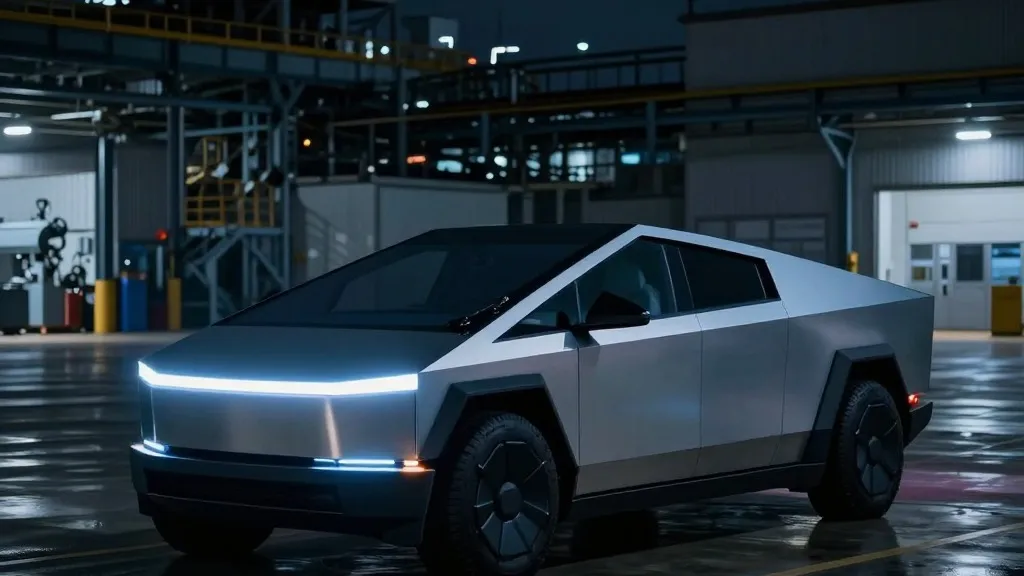
The scale of the current operation remains modest. Tesla reported that its Robotaxi program reached nearly two million cumulative unsupervised miles by the end of the third quarter. This milestone was achieved one month after the Cybercab joined the fleet in Austin. Third-party tracking from earlier this year indicated that the number of fully driverless Teslas on the road was in the dozens, a figure far below the hundreds of thousands Musk had previously discussed.
Competitors are also active in these markets. Waymo was already operating in both Orlando and Tampa before Tesla entered those cities and has logged over three million miles. The gap in experience and mileage highlights the competitive landscape Tesla faces as it tries to expand its unsupervised capabilities.
The new plan contrasts sharply with the original pitch to FSD buyers, who were told their cars would eventually drive themselves anywhere via a software update. In July 2025, Musk told investors that unsupervised FSD would be available for personal use in certain geographies by the end of that year. A year prior, he expressed surprise if the technology wasn't ready the following year. Additionally, owners of cars with the older HW3 hardware have been informed that their computers cannot run unsupervised FSD at all, with no clear upgrade path provided.
Elluswamy reiterated that safety remains the primary bottleneck, which is why Tesla limits operations to low-speed roads and simpler environments. He guessed that these safety issues would be resolved by next year, though he admitted the company is still working out the details. For now, the product is narrower: your car joins Tesla’s fleet, operates in Tesla’s zones, and follows Tesla’s terms, moving the goalpost from a universal driver to a localized robotaxi participant.
More Business · Business Watchdog · Report a business · Got a Story?