Tesla Q3: Revenue holds steady at $28 billion, but operating income drops 56%
Tesla's third-quarter results show a recovery in margins and a beat on earnings per share, yet heavy spending on AI and new vehicles continues to squeeze profits significantly compared to last year.
By David Almasi ·
Tesla’s third-quarter results revealed a stark contrast between top-line stability and bottom-line pressure, with the company reporting $28.05 billion in revenue. This figure was essentially flat compared to the same period last year and landed almost exactly where Wall Street had predicted. While the revenue held its ground, the profitability metrics told a more complicated story, reflecting the heavy costs associated with Tesla’s aggressive push into artificial intelligence and new vehicle models.
The headline number for investors was non-GAAP earnings of $0.48 per share. This result beat the consensus estimate of $0.45, offering some relief to shareholders who had braced for a weaker performance. However, that figure still represents a 4% decline from the $0.50 per share Tesla earned in the third quarter of 2025. It marks a clear improvement over the second quarter, when margins had slumped and earnings missed expectations by a wide margin, but the long-term downward trend in profit per share has not yet been reversed.
The recovery in profitability was driven primarily by a rebound in automotive gross margins. Excluding regulatory credits, the auto gross margin climbed back above 18%, specifically hitting 18.1%. This is a significant improvement from the 16.3% recorded in the previous quarter and the 15.4% from a year ago. Tesla attributed this improvement to a better mix of regional sales and products, as well as increased revenue from Full Self-Driving subscriptions. These gains, however, were partially offset by continuing declines in average selling prices.
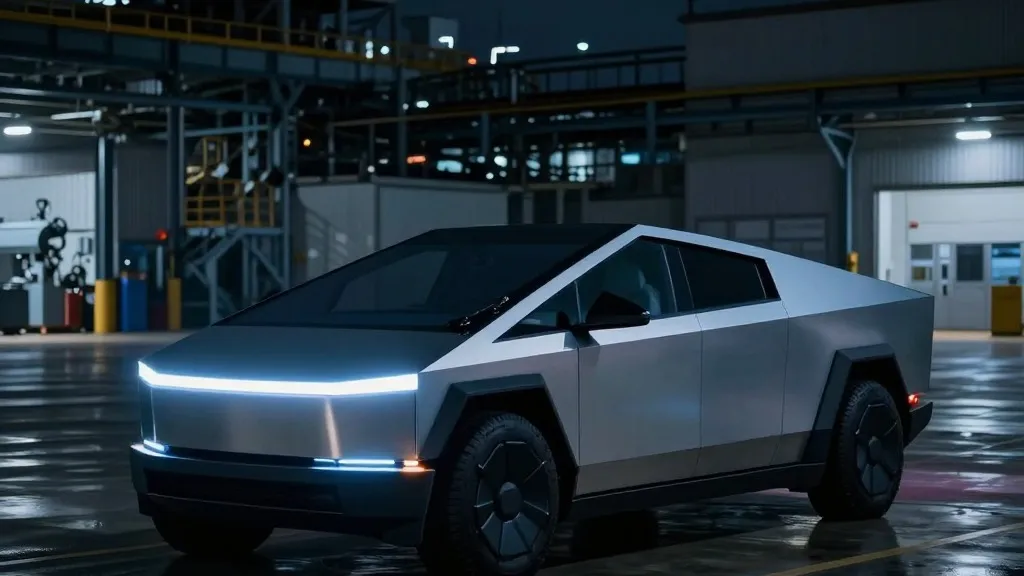
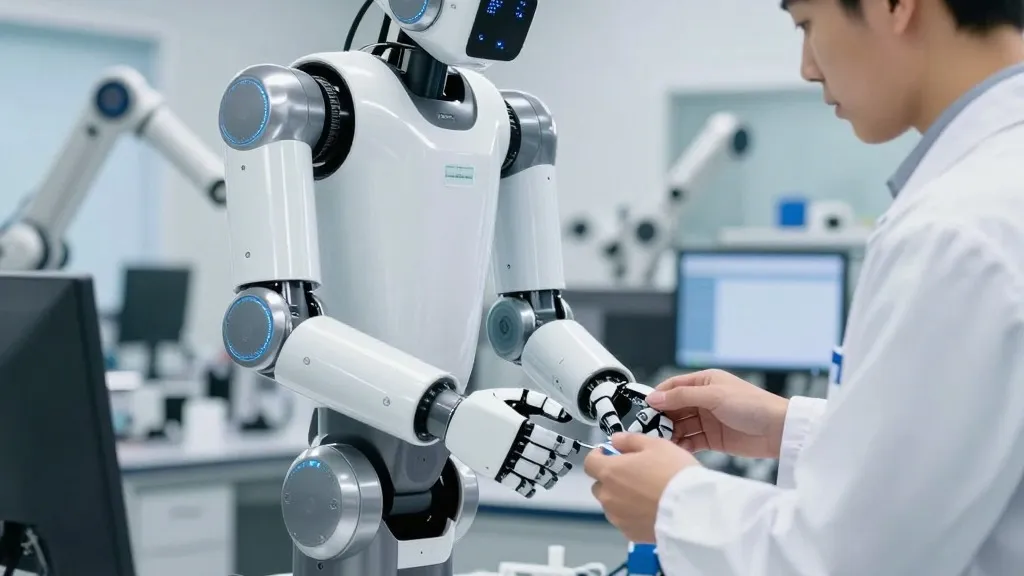
Despite the margin recovery, operating income fell sharply, dropping 56% year-over-year to $718 million. This resulted in an operating margin of 2.6%, down from 5.8% in the prior year. The primary driver of this decline was a surge in operating expenses, which rose 39% to $4.78 billion. Research and development spending jumped 69% to $2.76 billion, reflecting massive investments in what Tesla calls "Super Intelligence," the Optimus humanoid robot, and the upcoming Cybercab. Additionally, stock-based compensation reached $1.17 billion, more than doubling from the previous year due to the 2025 CEO pay package.
Capital spending also accelerated dramatically. Tesla invested $4.73 billion in capex this quarter, more than double the $2.25 billion spent a year ago. This heavy outlay reduced free cash flow to $1.53 billion, down from $3.99 billion in the same period last year. Despite the spending, Tesla ended the quarter with a robust $45.4 billion in cash and investments. The company’s total gross margin improved to 19.6%, up 160 basis points from a year ago and well above the 16.8% seen in Q2.
On the operational side, Tesla delivered 486,532 vehicles in the quarter. This volume was down 2.1% year-over-year but significantly exceeded the consensus forecast. The company produced only 464,391 vehicles, meaning it sold 22,141 more cars than it built, which helped reduce inventory to 11 days of supply. Tesla stated that battery availability continued to be the limiting factor for higher production volumes, noting it ended the quarter with the largest backlog for passenger vehicles in four years.
The energy business presented a mixed picture. Revenue from energy generation and storage fell 16% to $2.88 billion, largely due to tariff-related refunds to customers. However, the segment’s gross margin improved significantly to 33%, up from 20% in Q2. Meanwhile, the services and other segment was a bright spot, with revenue growing 33% to $4.61 billion and gross profit hitting a record $734 million driven by charging, insurance, and parts sales.
Regulatory credits contributed just $113 million to the quarter, down 73% from the previous year as the federal fuel-economy penalty market has dried up. In terms of autonomy, Tesla reported that active FSD subscriptions reached 1.74 million, a 67% increase. The Robotaxi service also accumulated nearly 2 million unsupervised miles by the end of the quarter, a month after the Cybercab joined the fleet in Austin.
Looking ahead, Tesla’s capital expenditure pace suggests the company is behind its annual guidance. With $13.01 billion spent in the first nine months of 2026, the company needs to spend roughly $12 billion in Q4 to meet its "more than $25 billion" target for the year. This would require a massive acceleration in spending, more than double its highest quarter to date. Management will discuss these results and future outlooks during the earnings call scheduled for 5:30 p.m. ET.
The full shareholder letter and financial deck are available on Tesla’s investor relations site. The company’s financials show a business that is stabilizing its core automotive margins but is in a heavy investment phase that is temporarily compressing profits. The next few months will be critical to see if this spending translates into the growth and efficiency gains Tesla has promised.
More Business · Business Watchdog · Report a business · Got a Story?