ID Gap Puts 100,000 UK Teens at Risk of Social Media Exclusion
Ofcom data shows 150,000 16-to-17-year-olds lack passports or licenses needed for next spring's under-16 ban.
By Carmen Wojcik ·
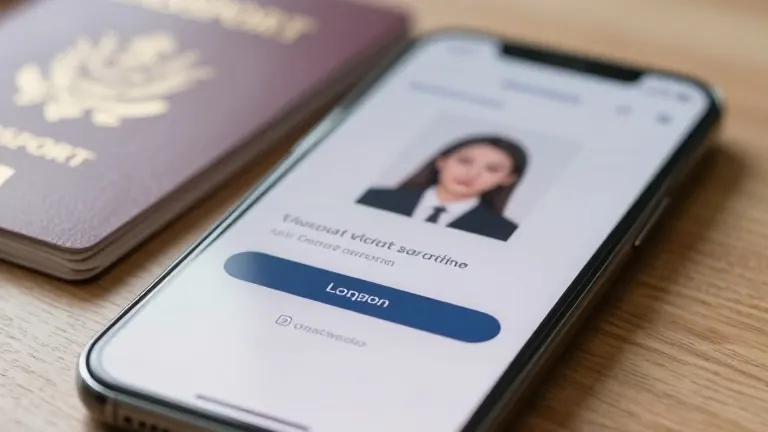
Over 100,000 British teenagers may be cut off from social media next spring because they lack the standard photo identification required to prove their age. The UK's online regulator, Ofcom, identified that approximately 150,000 16- and 17-year-olds do not currently hold a passport or driving licence. Since these documents are expected to serve as the primary proof of age for restricted platforms, this demographic faces a barrier to entry when the new rules take effect.
The government plans to implement an Australia-style ban on under-16s using services such as Instagram, TikTok, and YouTube beginning next spring. Ofcom recently published an assessment of age verification methods, naming four highly effective options. These include matching official ID against a live selfie, bank account verification, digital ID services like the Young Scot card, and facial age estimation. However, the regulator noted that official ID would likely remain a necessary backstop. This is because facial estimation tools can be inaccurate by several years, potentially locking out older teens who lack physical documents.
Melanie Dawes, the head of Ofcom, acknowledged that the transition will be difficult for families. She stated that motivated children will likely attempt to bypass the restrictions, similar to trends seen in Australia. Dawes described the change as a huge cultural shift that will require time for society to adjust. She compared the challenge to alcohol laws, noting that while they do not eliminate underage drinking entirely, they provide a framework for platforms to mitigate risk.
The need for a standard ID is already visible in the UK's adult content sector. Since last year, websites hosting pornographic material have been subject to strict age checks, with facial estimation being a popular enforcement tool. This suggests that social media platforms will adopt similar technology. However, the reliance on physical documents creates an inequality, as more than nine out of ten Britons over 16 currently hold passports or licenses. Those without these documents must take additional steps to obtain them to maintain access.
Australia offers a recent precedent for how the ban might play out. In March, the country's eSafety commissioner reported that a substantial proportion of under-16s had flouted the ban imposed in December last year. A survey of 900 Australian parents found that 31% said their children still had social media accounts after the ban, down from 49% before the law passed. This data indicates that enforcement will be an ongoing challenge for UK regulators.
The UK government has not yet confirmed the final list of affected platforms, though it is expected to mirror the Australian list. That list includes Facebook, Instagram, Kick, Reddit, Snapchat, Threads, TikTok, Twitch, X, and YouTube. Regulations confirming the ban are expected to be introduced by the end of this year. Ofcom will also open a consultation on the best age verification methods before issuing official guidance to platforms.