Ferran Adrià called it dead, but Spain's daily lunch menu serves 4 million meals
A new book traces the history of the menú del día, which was originally created by a Franco-era minister to impress tourists, before analyzing why family-run eateries are struggling to keep the tradition alive.
By Layla Fontaine ·
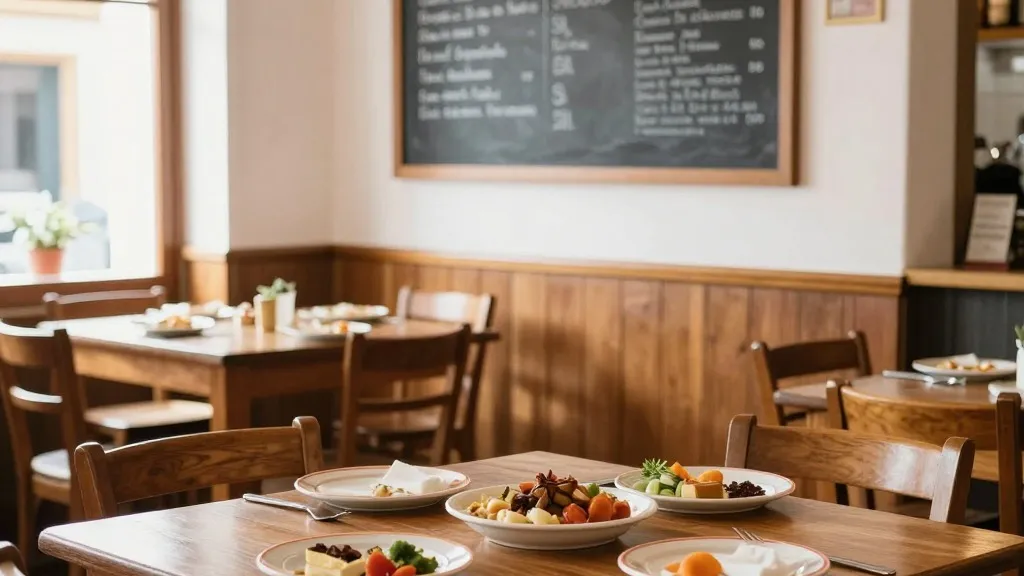
Four million Spaniards still eat a fixed-price set lunch every workday, a habit that survived the chef who declared it dead in 2009. Ferran Adrià blamed the decline on changing habits and economic shifts, yet the menú del día remains a staple of the country's midday routine.
Food journalist Lakshmi Aguirre examines the tradition in her new book, Menú del Día: Everyday Scenes of a First Course, a Second Course and Pudding. She argues the custom is under pressure but not finished, noting that nostalgia is growing as the habit fades.
The menu originated in the mid-1960s as a tool for tourism. Manuel Fraga, the information and tourism minister under dictator Francisco Franco, devised the offering to show foreign visitors that food in Spain was plentiful and affordable after the post-civil war years of hunger.
Regulations required establishments to serve a soup starter, a main course of egg, fish, or meat with a side dish, and a pudding of fruit, sweets, or cheese. Prices were capped between 50 and 250 pesetas. The law also mandated a quarter-litre of pure Spanish red or white wine with at least 12% alcohol to prevent owners from serving diluted drinks.
By the early 1970s, the offering was renamed to reduce its association with tourists and to encourage locals to dine out. Today, many Spaniards do not know the origin. Aguirre noted that many people reacted with shock when she mentioned Fraga during her research, describing the collective forgetting as a defining trait of the culture.
The current average price stands at €14.70. Rising energy and food costs make it difficult for small, family-run restaurants to maintain a rotating daily menu. Some venues have switched to a single dish of the day, while others have added Latin American staples to reflect changing demographics.
Aguirre says the menu has always mirrored society, and she accepts these changes. Her ideal meal includes a vegetable stew, hake in green sauce or baby squid in ink, and rice pudding. She judges a restaurant by its simple dishes, changing menu, fresh chips, and a chalkboard free of trendy items like avocado, burrata, tartare, truffle, or sourdough bread.
For Aguirre, the menu serves a social function beyond cheap food. It provides a meeting point for families with limited means and company for those living alone. She states that the privilege of the menú lies not just in affordability, but in having the time to enjoy the meal.