Fed Holds Steady With 3.75% Rates as Inflation Hits 3.7% Ahead of Midterms
Markets price a 90% chance of no change Wednesday, but bets on a December hike have climbed to 75%.
By Carmen Wojcik ·
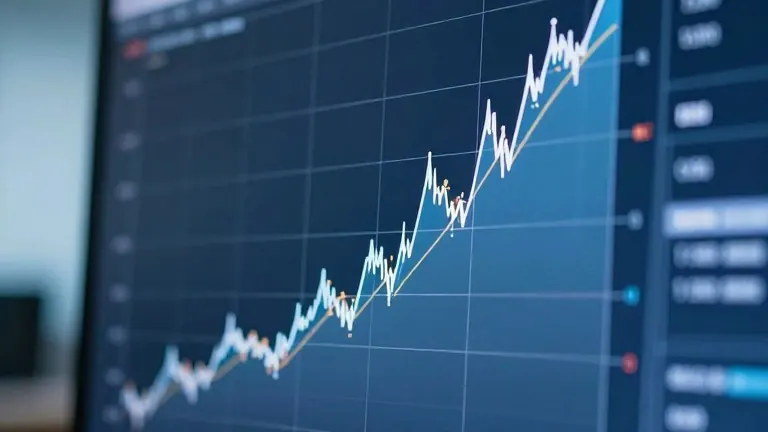
3.7%. That is the year-over-year inflation rate recorded in September, a four-month high that forces the Federal Reserve to make a critical interest rate decision on Wednesday. The central bank is expected to keep its benchmark rate between 3.75% and 4% unchanged, a move that avoids immediate political friction but leaves a difficult question for December.
The pressure for action stems from a sharp acceleration in price increases this year. The Bureau of Labor Statistics reported that fuel prices climbed due to unrest in the Middle East, pushing the inflation rate more than a percentage point above the Fed's 2% target. This data arrives just days before the midterm elections, a timing that complicates the central bank's usual independence from political cycles.
The Fed has already moved to combat rising costs. Last month, officials raised interest rates by a quarter of a percentage point, marking the first rate increase in three years. That action was intended to slow the economy by reducing demand, a process that typically takes several months to show results. Now, policymakers must decide if that single hike was sufficient or if further tightening is required to tame prices that remain stubbornly high.
Market expectations reflect a cautious approach for the near term. The CME Group’s FedWatch Tool indicates a 90% probability that the Fed will hold rates steady on Wednesday. However, the outlook shifts sharply for the next meeting. The odds of a quarter-point rate hike at the December meeting stand at 75%, suggesting investors believe the current stance will not last long.
A weak jobs report adds complexity to the decision. Employers added only 29,000 jobs in September, a sharp drop from the 162,000 added in August. These gains fell well below economists' expectations, indicating that the labor market may be wobbling. This data creates a dilemma: raising rates too aggressively risks sluggish growth and job cuts, while holding rates steady risks losing credibility in the fight against inflation.
Bank of America Global Research described the situation as a quandary in a memo to clients. The bank noted that if the Fed hikes, investors might worry about overtightening. If the Fed holds, markets could question the institution's commitment to fighting inflation. The central bank is currently balancing these risks against a backdrop of slowing job growth and rising prices.
President Donald Trump has criticized the Fed for raising rates across both of his terms in office. He posted on social media hours after last month's rate announcement, demanding that the central bank lower rates fast. The Fed, established by Congress as an independent institution, typically operates without political interference. However, the proximity to Election Day makes the decision politically sensitive, as affordability remains a top concern for voters.
Deutsche Bank Research suggested the midterms could factor into the decision to hold rates. The bank stated that the Fed might prefer to stay out of the headlines for raising rates just ahead of a midterm election. The memo noted that while affordability is the principal concern for voters, the election would not be a primary consideration for the central bank's long-term policy goals.
More Business · Business Watchdog · Report a business · Got a Story?