Campaign spending hits record highs with GOP committee advantage
Republican committees outspent Democrats with major backing from Trump-affiliated groups, while Democratic candidates raised more funds at the individual level.
By Carmen Wojcik ·
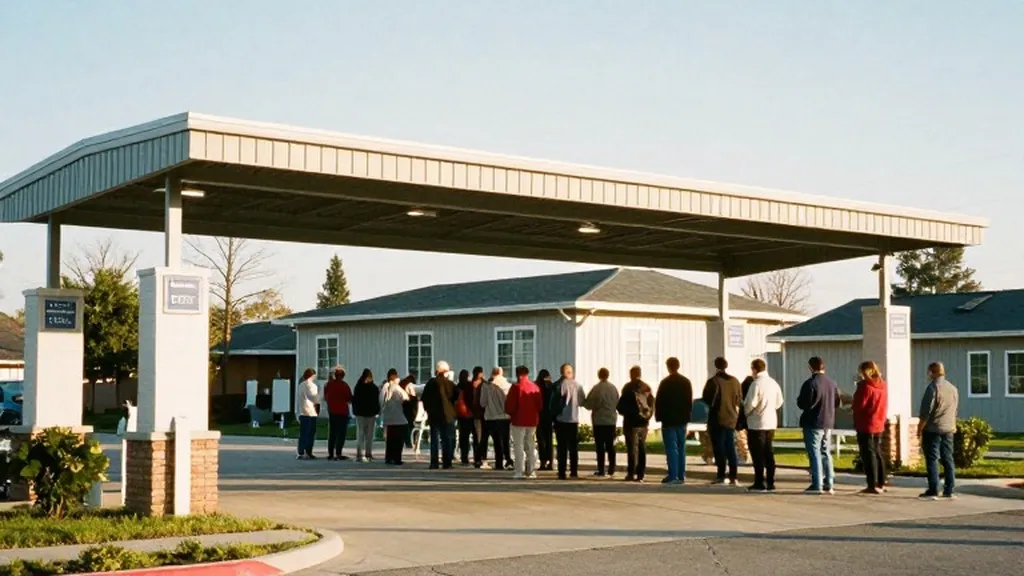
Election Day arrives with a financial backdrop that defines the modern political landscape. The 2026 midterms are shaping up to be the most expensive election in American history. This unprecedented level of spending reflects the high stakes of the race, where the outcome will determine which party controls Congress for the final two years of President Donald Trump's second term. The flow of money into this campaign cycle has outpaced all previous records, signaling the intensity of the contest for legislative majorities.
The distribution of these funds reveals a distinct strategic split between the two parties. At the committee level, Republican groups outraised and outspent their Democratic counterparts. This financial edge was significantly bolstered by contributions from Trump-affiliated organizations and substantial support from Elon Musk. These super PACs and party committees deployed massive resources to secure key seats and influence the overall narrative of the election. The sheer volume of capital committed by the Republican side underscores their determination to maintain or expand their current advantages in both chambers.
However, the picture changes when examining the fundraising efforts of individual candidates. At the candidate level, Democrats outraised their Republican opponents. This suggests a different approach to campaign finance, where individual campaigns focused on grassroots fundraising and direct voter engagement rather than relying solely on large committee transfers. This dynamic creates a complex financial battlefield where the total spending may favor one side, but the per-candidate resources tell a different story about electoral strategy and voter connection.
An analysis of television advertising spending highlights the geographic focus of the Republican war chest. 88.1 percent of all Republican general election TV ad spending went to states and districts that Donald Trump won in 2024. This indicates a defensive strategy aimed at solidifying support in areas that already favored the president. The concentration of advertising dollars in these regions suggests that Republicans are prioritizing the defense of existing strongholds over aggressive expansion in traditionally blue areas.
Within that broader geographic focus, a significant portion of the spending targeted specific high-margin wins. Republicans spent more than 850 million dollars in areas where Trump won by 10 points or more in the 2024 election. This level of investment in safe seats raises questions about efficiency and strategic prioritization. By pouring hundreds of millions of dollars into districts with substantial Republican margins, committees may be reinforcing loyalty among base voters. This spending pattern contrasts with the need to flip competitive districts to achieve a House majority, a task that requires net gains in several closely contested races.
The financial disparities play out against a backdrop of shifting voter sentiment. The Associated Press describes the election as a referendum on the president's second term, noting that many voters are struggling with high prices and are angry over an unpopular war with Iran. Approval ratings for Trump's job performance stand at 35 percent, while only 25 percent approve of his handling of the economy. These polling figures suggest that despite the massive Republican spending advantage, the financial investment is being directed into a political environment where economic concerns are driving voter dissatisfaction.
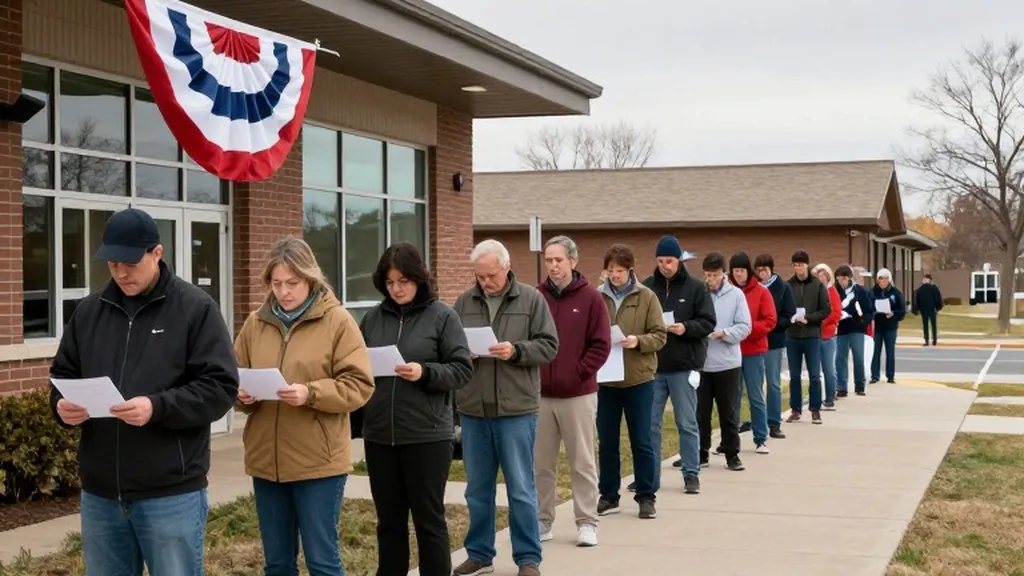
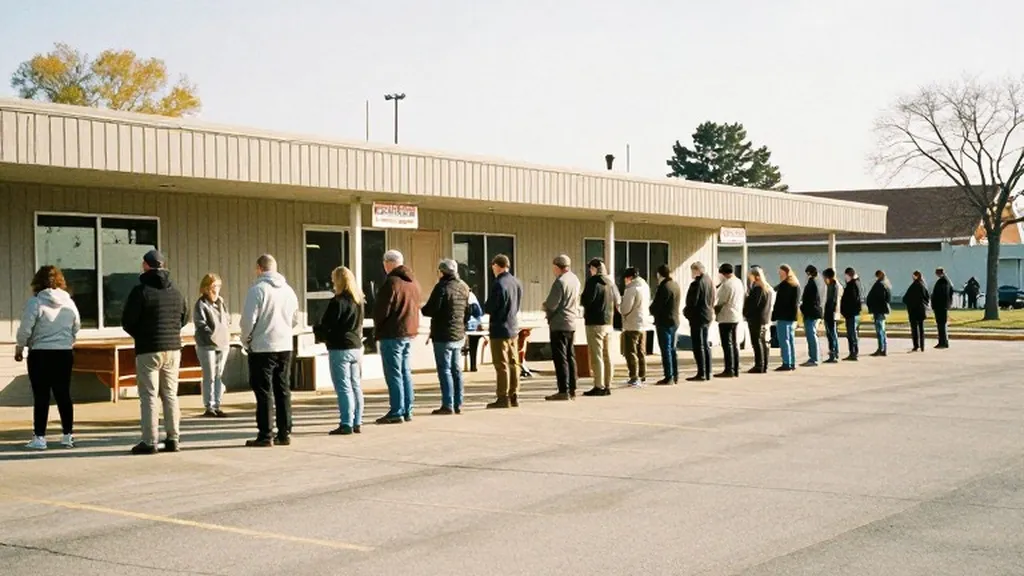
Early voting numbers indicate high engagement despite these financial and political dynamics. More than 57 million people had already voted as of Monday, surpassing the early vote totals from four years ago in many closely watched states. This surge in early participation suggests that voters are mobilizing in significant numbers, potentially offsetting the impact of advertising saturation. The high turnout figures provide a crucial counterbalance to the spending reports, showing that voter behavior is not solely dictated by the volume of campaign funds deployed.
Republican leaders are placing their faith in turnout to overcome any financial or polling disadvantages. RNC Chairman Joe Gruters emphasized that everything depends on getting voters to the polls, stating that if they turn out their voters, they win. This strategy relies on the assumption that higher turnout among Republican-leaning voters will translate into legislative victories. The party is bracing for the possibility of losing the House while fighting hard to hold the Senate, with one or two seats potentially tipping the balance in either chamber.
Democrats, meanwhile, are adopting a cautiously optimistic stance despite the Republican committee spending edge. DCCC Chair Rep. Suzan DelBene noted that the American people are angry and want change. This sentiment aligns with the candidate-level fundraising advantage Democrats hold, suggesting that their strategy focuses on connecting with individual voters rather than competing on total advertising dollars. The party aims to leverage economic discontent and strong individual campaign efforts to secure a majority in at least one chamber of Congress.
The final hours of the election will test which financial strategy proves more effective on the ground. With polls open across the nation, the battle for Congress is being fought with billions of dollars in play. The interplay between the massive committee spending by Republicans and the strong individual fundraising by Democrats will determine who emerges victorious. As voters cast their ballots, the record-breaking nature of this election's finances serves as a reminder of the high cost of democracy in the twenty-first century.
The outcome of these midterms will have lasting implications for the balance of power in Washington. Whether the Republican spending advantage or the Democratic candidate-level edge proves decisive, the 2026 election marks a new era of high-cost politics. The data on ad placement and fundraising will be scrutinized by analysts and voters alike. For now, the focus remains on the ballot boxes, where the ultimate measure of success is not just how much was spent, but how many votes were cast in response.