Khartoum Food Inflation Hits 60% Amid War-Driven Supply Shortages
Official statistics show prices in the capital have risen nearly 60% over the past year, leaving many households unable to cover daily food costs.
By David Almasi ·
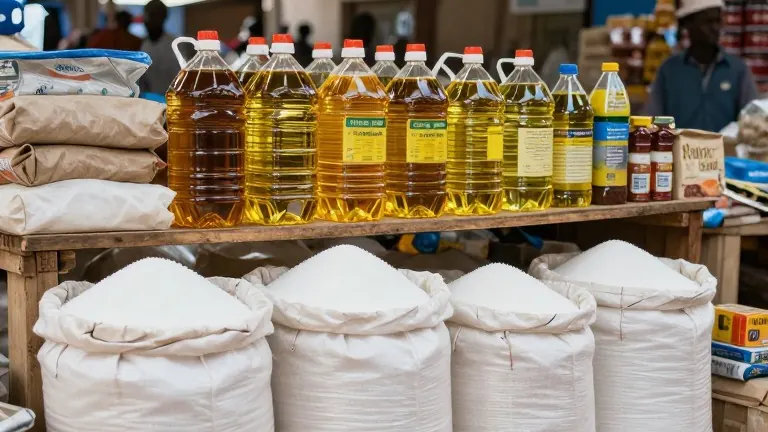
Food prices in Khartoum have surged to levels that many residents say are unsustainable, with the Central Bureau of Statistics reporting that overall prices in the state were nearly 60 percent higher than a year ago. This sharp increase has outpaced income growth, forcing families to cut back on basic necessities and rely on debt to make ends meet.
The conflict between the Sudanese army and the Rapid Support Forces, which began in 2023, has disrupted supply chains and increased transport costs. Although the military retook the state from the paramilitary group last year, the economic recovery remains slow. Damaged infrastructure and recent fuel shortages have further limited the availability of goods in local markets.
Rasha Abdelaziz Musa, a 39-year-old mother of four, works seven hours a day selling tea in Khartoum. She told Al Jazeera that feeding her family now costs approximately 40,000 Sudanese pounds per day, a sum equivalent to roughly $4 at the parallel-market exchange rate. Her husband, a soldier on the front lines, has not sent money in months, and Musa often ends the day owing money to food suppliers.
Other households face similar financial strain. Ahmed Youssef, 61, supports a family of 12 with income from a butcher shop and livestock brokering. He stated that his household spends more than 100,000 pounds daily, while his successful brokering deals yield between 90,000 and 140,000 pounds. Youssef noted that he sometimes requires his older children to work to help cover expenses.
Ali Fadil, 57, supports ten people and seeks day labor at the market each morning. His daily costs reach about 70,000 pounds, but he frequently finds no work. Fadil said he skips meals to pay for school fees and medical costs, relying on borrowed money for other obligations.
A survey of four markets in Khartoum State conducted last week showed rapid price increases within short timeframes. The price of sugar rose to 10,000 pounds per kilogram from 9,000 two days earlier. Cooking oil climbed to 25,000 pounds per liter from 20,000, and the cost of a loaf of bread increased from 300 to 500 pounds over one week. Prices for lentils, rice, and powdered milk also rose.
The value of the Sudanese pound has fallen sharply against the US dollar. On Friday, the parallel-market rate stood at 10,050 pounds per dollar, up from 9,500 the previous day. National data indicates that food and beverage prices were nearly 37 percent higher than in the previous year, while urban food prices rose by 55 percent.
Economic specialist Khalid Teks noted that the decline in living standards began before the war, citing factors such as lost oil output, currency depreciation, and political conflict. He reported that families are depleting savings and selling possessions to survive. Teks also raised concerns about limited rainfall this year, which could lead to food shortages after the harvest begins in November.
The World Bank estimates that Sudan's economy shrank by 29 percent in 2023 and a further 14 percent in 2024. The International Organization for Migration reports that nearly 8.9 million people remained internally displaced as of April. Teks urged the government to provide direct support to vulnerable households through dedicated funds and the Zakat Chamber, while also facilitating humanitarian access and offering low-interest loans for small businesses.
More Business · World news · Business Watchdog · Report a business · Got a Story?