435 House Seats Up for Grabs as GOP Defends 218-214 Lead
With polls open across all 50 states, Democrats need a net gain of three districts to take the chamber while Republicans face a tight margin in 46 battleground races.
By Carmen Wojcik ·
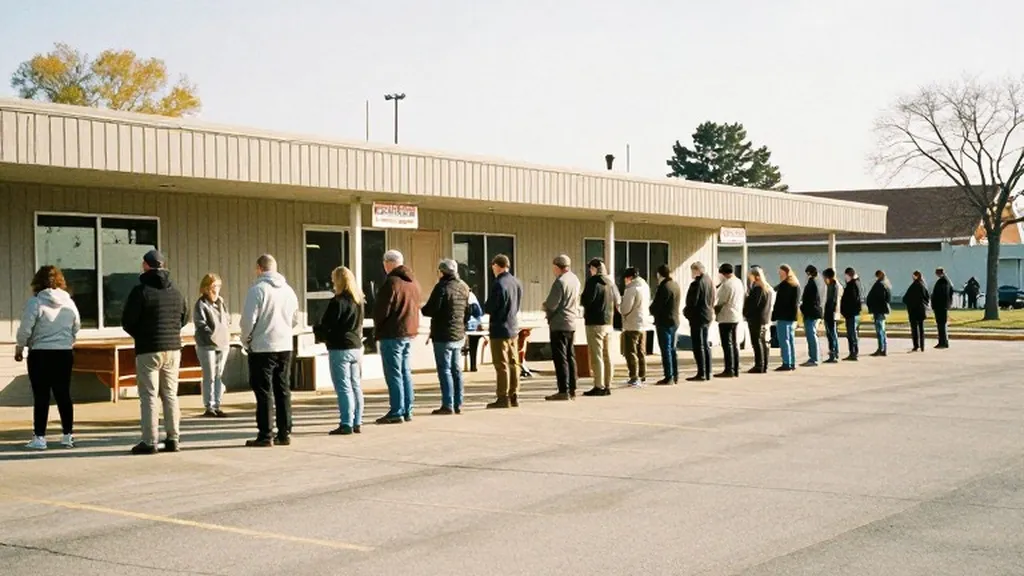
Voters across the nation are casting ballots on Tuesday, November 3, 2026, to determine the balance of power in the United States House of Representatives. All 435 seats are up for election in this midterm contest, which occurs halfway through President Donald Trump's second term. The outcome will decide which party controls the lower chamber for the final two years of the current administration. Republicans currently hold 218 seats while Democrats hold 214, with one independent seat and several vacancies affecting the count. This narrow advantage means the outcome is highly sensitive to voter turnout in competitive districts.
Democrats require a net gain of three districts to secure a majority in the House. Conversely, Republicans can afford to lose no more than two seats to maintain their control. This three-seat margin creates a high-stakes environment where performance in a small number of races could determine the leadership of the chamber. Sixty House incumbents are not running again in this cycle, with 37 Republicans and 23 Democrats choosing to step aside. These open seats add uncertainty to the final tally as new faces compete for established positions.
The election is being viewed as a referendum on the president's second term, with many voters expressing frustration over high prices and the ongoing conflict with Iran. AP-NORC polling indicates that 35 percent of U.S. Adults approve of Trump's job performance, while only 25 percent approve of his handling of the economy. Approximately seven in 10 respondents say the country is heading in the wrong direction. These sentiments are driving engagement among both parties, with Republicans bracing for potential losses while Democrats express cautious optimism about their chances.
Ballotpedia has identified 46 battleground districts in the House race, with 25 currently held by Democrats and 21 by Republicans. These districts are likely to be the deciding factor in the overall control of the chamber. The political landscape has shifted in some areas, as 21 districts held by Democrats voted for Trump in 2024, while nine districts held by Republicans voted for Kamala Harris. This crossover voting behavior suggests that partisan loyalty is flexible in many competitive areas, making the final count difficult to predict with certainty.
New congressional maps are in effect for seven states following mid-decade redistricting. California, Florida, Missouri, North Carolina, Tennessee, Texas, and Ohio are all using updated district boundaries for this election. These changes have altered the competitive dynamics in several key states. Republicans attempted to use redistricting to secure advantages, but the new districts in Florida and other states may not vote as originally drawn. The effectiveness of these maps will be tested as results come in from these regions.
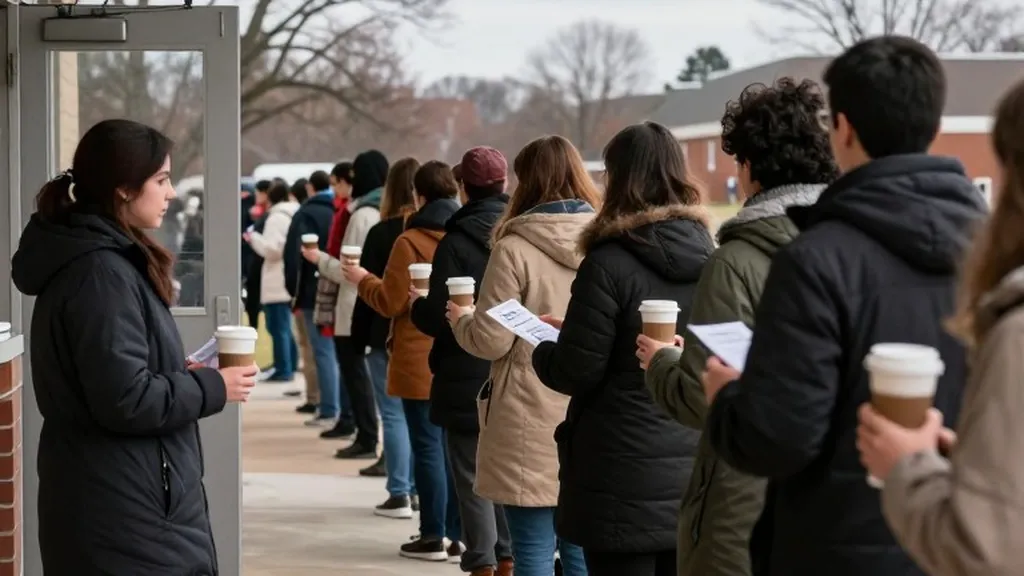
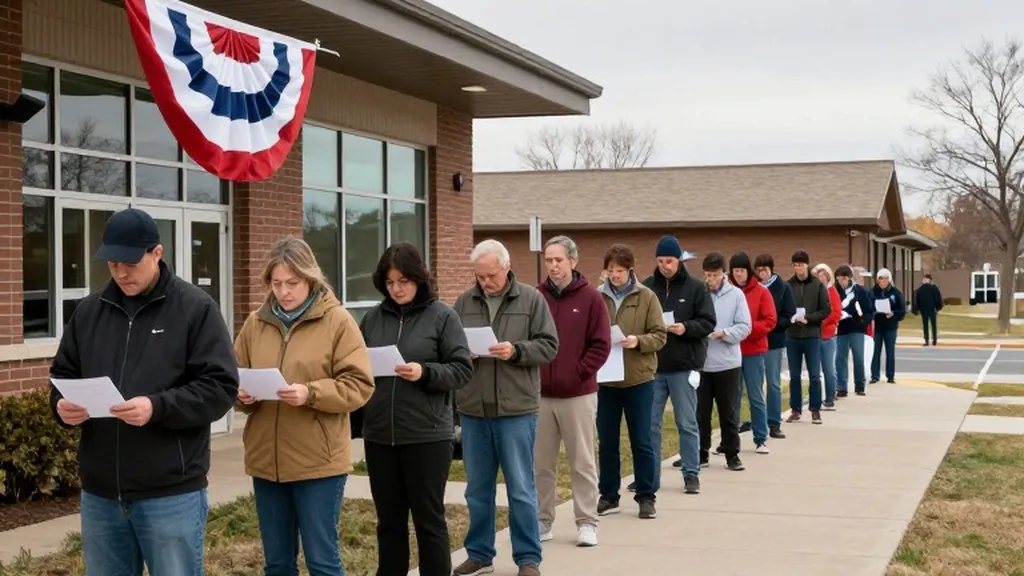
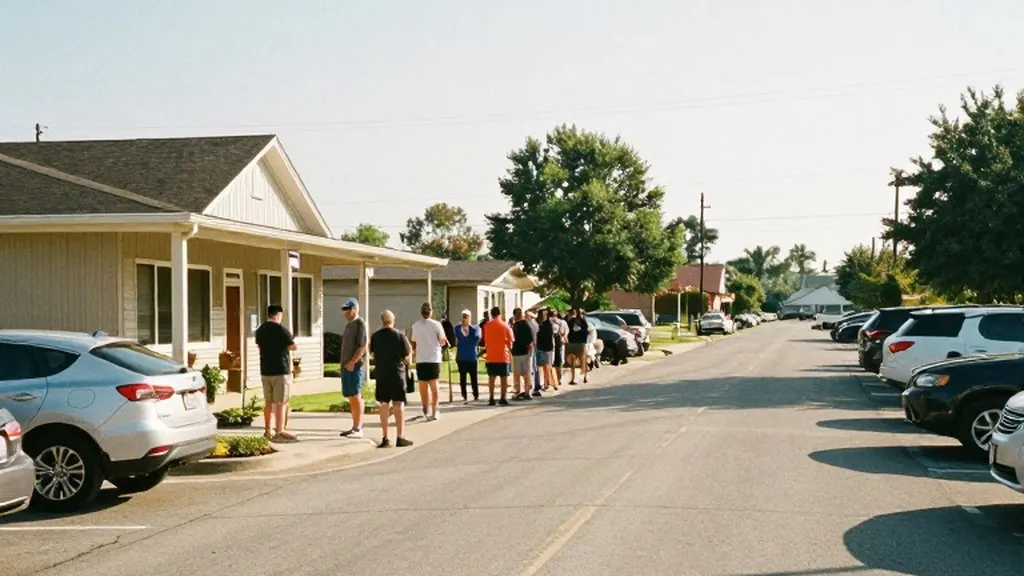
More than 57 million people had already voted as of Monday, surpassing the early vote totals from four years ago in many closely watched states. This high level of pre-election voting indicates strong engagement from both sides of the aisle. RNC Chairman Joe Gruters emphasized the importance of turnout, stating that if the party turns out its voters, they will win. In contrast, DCCC Chair Rep. Suzan DelBene said that the American people are angry and want change. These contrasting messages reflect the strategic priorities of each party as they work to mobilize their bases.
One or two seats could tip the balance of power in either chamber, highlighting the close nature of the contest. Republicans held dozens of rallies to support their candidates, with President Trump ending his speaking schedule in Salina, Kansas, on Sunday. Many Republican candidates maintained some distance from the president during the campaign, reflecting internal party dynamics. The administration has also been involved in legal challenges related to voting procedures, including a lawsuit in Alaska related to the certification of the Senate result, which adds another layer of complexity to the election day proceedings.
Financial resources played a significant role in shaping the campaign landscape, with the 2026 elections likely to be the most expensive in history. Republican committees outraised and outspent Democratic committees at the committee level, aided by Trump-affiliated groups and Elon Musk. However, at the candidate level, Democrats outraised their opponents. 88.1 percent of Republican general election TV ad spending went to states and districts that Trump won in 2024. This targeted spending strategy reflects the Republican focus on defending their existing holdings in favorable territory.
Voters are heading to the polls with a variety of issues in mind, from the cost of living to border security. Mark Barker of Palm Beach Gardens, Florida, said he has been following Trump the whole time and thinks he is doing an awesome job. James Moore, a librarian in Raleigh, North Carolina, expressed concern about rising taxes and healthcare costs, saying he is paying more for everything. These individual perspectives capture the broader divide in the electorate. The U.S. Postal Service added hours, staff, and special lines to ensure that mail ballots are counted on time, addressing logistical challenges in states that rely heavily on mail-in voting.
The results of this election will have immediate implications for the legislative agenda in Congress. If Democrats win control of the House, investigations and possible impeachment proceedings become likely. House Democratic Leader Hakeem Jeffries would become the first Black speaker of the House and has outlined a 100-day agenda focused on the cost of living and oversight. A strong Democratic performance could also boost potential 2028 candidates such as Gavin Newsom, JB Pritzker, and Pete Buttigieg. Republicans are working to break the historical midterm pattern where a president's party almost always loses seats, relying on the new district maps and high energy among their base to hold their majority.