Democrats seize both chambers of Congress in sweeping 2026 midterm victory
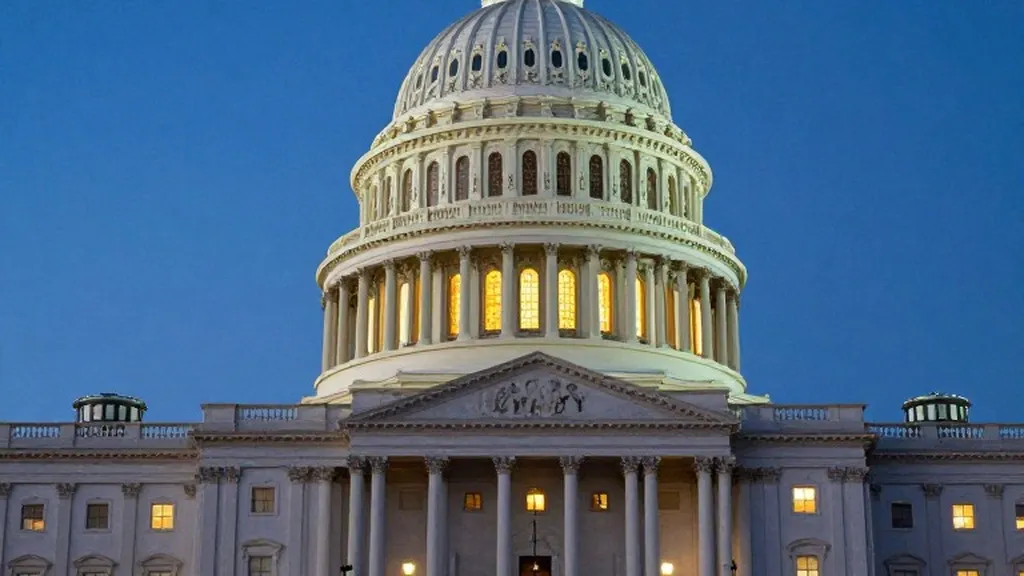
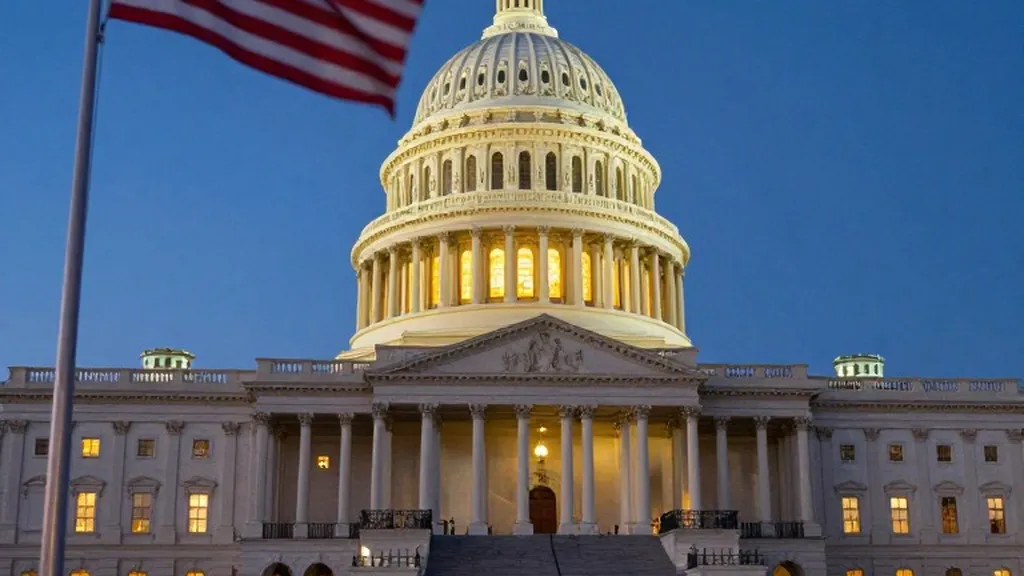
Voters in the 2026 midterm elections handed Democrats control of the U.S. House and Senate, signaling a major shift in power that will reshape legislative priorities and oversight of the executive branch starting in January.
By David Almasi ·
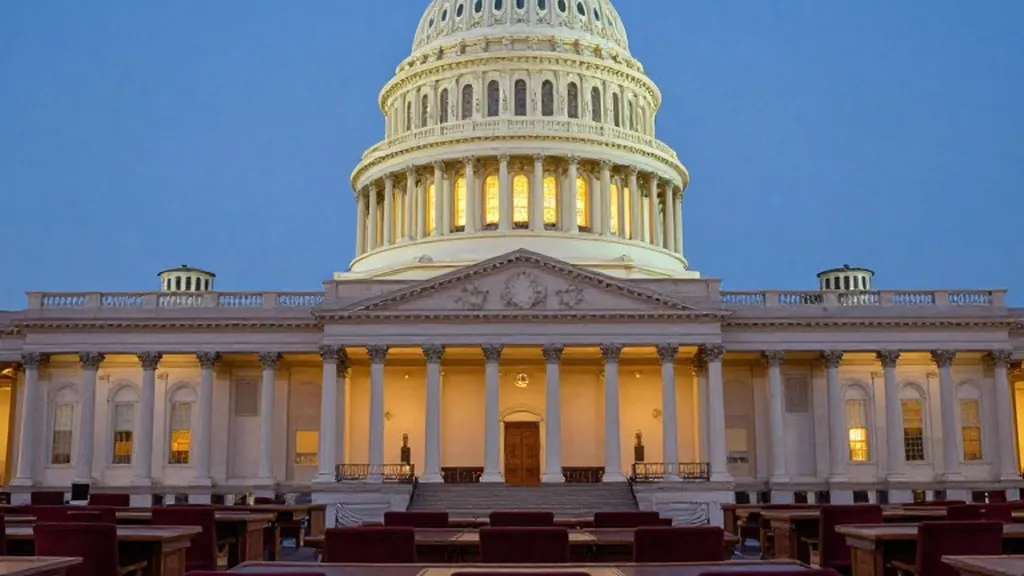
The 2026 midterm elections concluded on Tuesday, November 3, with a decisive victory for the Democratic Party that reshaped the balance of power in Washington. Democrats won 248 of the 435 U.S. House races, securing a commanding majority in the lower chamber. In the U.S. Senate, Democrats captured 20 of the 35 seats on the ballot, flipping the chamber from Republican to Democratic control. This outcome marks a significant reversal from the 2024 cycle, where Republicans had gained a 53-47 majority in the Senate and a 220-215 majority in the House.
The shift in congressional control was driven by a wave of voter dissatisfaction with the current administration, particularly regarding the economy and government spending. The AP Voter Poll indicated that three-quarters of voters described the economy as poor or not so good, with about eight in ten reporting that inflation had caused financial hardship. These economic concerns, combined with frustration over the eight-month-old war in Iran, fueled high turnout that surpassed early voting records from 2022. More than 59 million people cast ballots before Election Day, reflecting a highly engaged electorate eager to impose checks on the presidency.
Democrats gained a net of seven Senate seats, taking control of the upper chamber in a move projected as early as 11:19 PM ET on election night. Seven seats changed party hands, all to Democrats, in states including Iowa, Kansas, Maine, North Carolina, Ohio, South Carolina, and Texas. In the House, Democrats gained a net of 33 seats, resulting in a majority of 238 seats against 146 for Republicans, with 51 races remaining uncalled as of the latest updates. This margin of victory in the House is the largest for Democrats in a midterm election since 1994, underscoring the breadth of the national wave.
The election results also impacted state leadership, with Democrats gaining five governorships in a net shift that ended the Republican hold on a majority of governorships since 2010. Four governorships changed party hands in Georgia, Iowa, Ohio, and Texas. In Michigan, Abdul El-Sayed won a Senate seat, becoming the first Muslim American U.S. Senator. His victory was celebrated across the Arab world, with supporters noting his use of the term habibi in his victory speech to address Vice President JD Vance, who was expected to swear him into office in January.
With control of both chambers, Democratic leaders have already signaled a focus on corruption investigations and oversight of the Trump administration. House Democratic leader Hakeem Jeffries, who is in line to become Speaker, has not ruled out a third impeachment inquiry. Senate leader Chuck Schumer stated that Americans want a cleanup of government corruption, linking the issue to affordability concerns. The new majority will have access to subpoena powers and larger investigative staffs, allowing for a sprawling oversight agenda that includes Trump family business dealings and the administration's handling of various agencies.
President Donald Trump, who had warned of difficult times for the party, acknowledged the election losses in his first post-election comments. He suggested that the results would not significantly alter his calculations regarding the war in Iran, stating that if the U.S. Had to complete the conflict, they were locked in. However, analysts noted that the political damage was done, and the president might feel less restrained in his next moves. The conflict has caused tens of billions of dollars in damage in the region, with elevated gas prices and rising costs affecting families globally. The price for a barrel of Brent crude oil fell below $95 on Wednesday, a signal that markets do not expect immediate major strikes.
The Democratic sweep also sent ripples through the financial markets, with investors focusing on the risk of standoffs over the government's borrowing limit. Shares in U.S. Tech giants soared on Wednesday as investors bet that potential curbs on new data-center construction could ease pressure on strained cash flows. The election results also highlighted a shift among Latino voters, who swung back toward Democrats in key states like Texas and Kansas. This demographic shift played a crucial role in flipping swing states and securing the overall Democratic majority in Congress.
As the new Congress prepares to convene in January, the focus will be on implementing the policy priorities that resonated with voters. The cost of living and government corruption topped the list of concerns for the electorate. Democrats will likely move quickly to introduce legislation addressing these issues, while also ramping up congressional oversight to scrutinize executive actions. The Republican minority will face the challenge of shaping a unified opposition strategy in a Congress where their numbers have been significantly reduced.
The 2026 midterm elections serve as a clear referendum on President Trump's second term, with voters choosing a new direction for the nation. The results indicate a desire for change and a check on executive power, setting the stage for a new dynamic in Washington. As the new terms begin on January 3, 2027, the focus will shift to how the new leadership implements its agenda and manages the relationship with the White House. The election has reshaped the political landscape, with Democrats holding a strong mandate to govern and Republicans preparing for a new role in the opposition.
The final race calls confirmed the Democratic hold on key battlegrounds, solidifying their control of the legislative agenda. The outcome of the Alaska Senate race remained unclear, potentially taking weeks to resolve due to an unusual voting system and a legal challenge. However, the overall picture of Democratic control is clear, with the party now possessing the tools to investigate, legislate, and scrutinize the executive branch with unprecedented authority. The 2026 elections have set the tone for the next two years in American politics, with a focus on accountability and economic relief for voters.