US Envoy: Sweida Militias Funded by Captagon Trade
Tom Barrack told an interview published on X that 90 percent of Syria's captagon trade flows from Sweida to Daraa, and denied Washington backs a sheikh calling for autonomy.
By Layla Fontaine ·
A US envoy put the cost of southern Syria's drug trade at a level he said arms local militias.
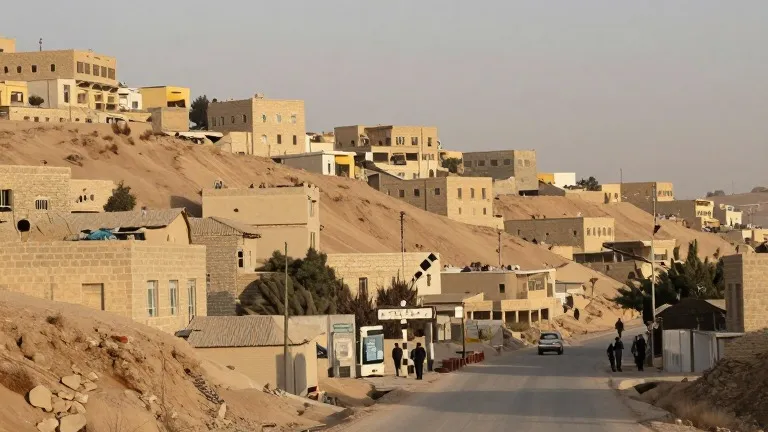
Tom Barrack, the US special envoy for Syria who also serves as ambassador to Turkey, said in an interview with commentator Mario Nawfal published on X on Friday that the stretch from Sweida to Daraa is a global hub for making and selling captagon. He compared the production to manufacturing methamphetamine and said the revenue lets Druze groups arm themselves. Barrack said 90 percent of Syria's captagon trade flows from Sweida to Daraa.
He aimed his criticism at a sheikh rather than at Israel. Barrack said a Druze leader uses the perception of backing from Tel Aviv and Washington to persecute fellow Druze, and called any claim of explicit US support for that leader absolutely wrong. He did not name the individual. The remarks land amid tensions surrounding Hikmat al-Hijri, a spiritual leader in Sweida who has called for Israeli support and for full independence from the Syrian government.
Earlier this month, supporters of al-Hijri raised Israeli flags at a rally in Sweida marking the anniversary of the 7 October 2023 attacks. The Bashan administration, which is affiliated with al-Hijri, issued a statement expressing anger and condemnation. It denied that Jabal Bashan is a center for captagon production and said the community has historically stood on the front lines against smuggling networks, adding that young men have died in that effort.
Al-Hijri declared in May 2026 that the move toward self-determination is irreversible, with the goal of an independent administration for Jabal Bashan separate from Damascus. Barrack addressed the wider Israel relationship by pointing to Druze communities in the Golan Heights and along the border, saying they have paid a price as allies alongside Israeli Defense Forces soldiers. Israel has repeatedly described its military interventions in southern Syria as efforts to protect the Druze, including strikes against Syrian government forces in Sweida in July 2025.
Barrack said Syria has held back in response to Israeli incursions and warned that aggressive retaliation could set off a wider conflict. He said Damascus has been patient in allowing Israel to keep what it sees as a buffer zone. Syrian President Ahmed al-Sharaa has made clear he does not want a confrontation with Israel, according to Barrack, who added that Israel remains wary of Syria's new leadership because of Sharaa's past as a fighter with the al-Nusra Front and the presence of foreign fighters in army divisions deployed near the border.
The two sides have held five rounds of border and boundary talks that began in Paris in May 2024.