Record Spending Fails to Save GOP as Democrats Win Historic Sweep
Despite an $850 million advantage and high turnout, Democrats captured both chambers of Congress in the most expensive election in history.
By Layla Fontaine ·
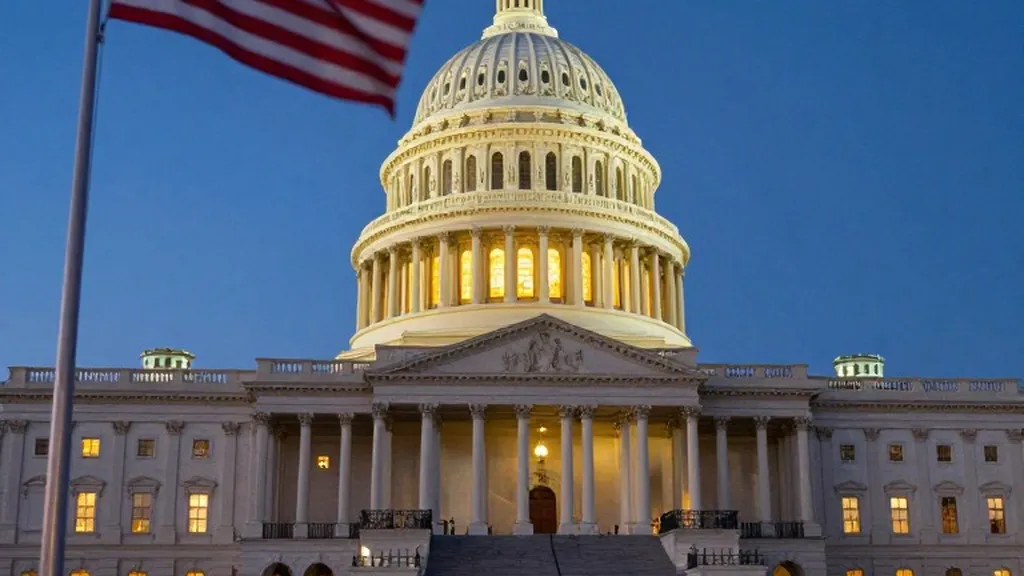
The 2026 midterm elections concluded with a decisive victory for the Democratic Party, which secured control of both the U.S. House of Representatives and the U.S. Senate. According to Ballotpedia, Democrats won 238 House seats and 20 Senate seats, while Republicans took 146 House seats and 13 Senate seats. This outcome represents a net gain of 33 House seats and 7 Senate seats for Democrats. The results mark the most expensive election in American history, with the Republican side holding a significant financial edge that ultimately failed to prevent a sweeping loss.
Financial data indicates that the Republican National Committee and related super PACs deployed approximately $850 million in total spending. This figure represents a substantial advantage over Democratic expenditures, yet the party lost ground in key legislative races. The high cost of the campaign cycle reflects intense competition for voters who were deeply engaged in the process. Turnout was a defining feature of the election, with more than 59 million people casting ballots before Tuesday. This number surpassed early-voter turnout from the 2022 midterms, suggesting a robust participation rate that favored the challenging party.
The Republican strategy relied heavily on pumping tens of millions of dollars into states and districts that President Donald Trump won handily in 2024. Party leaders hoped this financial injection would stem the tide of Democratic gains and protect their majorities. However, the electorate responded to issues of cost of living and government corruption rather than the scale of campaign advertising. The Associated Press Voter Poll found that three-quarters of voters described the economy as not so good or poor. About eight in ten voters reported that inflation caused severe or moderate financial hardship for their households.
In the U.S. Senate, Democrats flipped seven seats from the Republican column. These gains included seats in Iowa, Kansas, Maine, North Carolina, Ohio, South Carolina, and Texas. The party also secured the special Senate seat in Ohio, which had been held by Republicans. Republicans retained the special Senate seat in Florida. With 20 seats won, Democrats now hold a majority in the upper chamber. This control allows the new leadership to set the legislative agenda and confirm presidential nominations. The shift in power was immediate, with Democratic leaders preparing to launch investigations into executive branch operations.
The U.S. House of Representatives saw a dramatic reshuffling, with Democrats gaining a net 33 seats to reach a total of 238. Republicans dropped to 146 seats. This majority gives Democrats the power to control committee assignments and schedule votes. The party is expected to use its new influence to scrutinize the administration's policies and finances. Rep. Robert Garcia of California, who is expected to chair the Oversight and Government Reform Committee, has outlined priorities that include Trump family business dealings and the administration's handling of immigration operations. The House majority also brings an infusion of staff resources to support these investigative efforts.
The election results highlight the impact of high fuel prices and economic anxiety on voter behavior. Record Election Day diesel and gasoline prices helped push Americans toward Democrats, according to exit polls. Voters cited the cost of living as a primary reason for their decisions. The war in Iran, which has been ongoing for eight months, also contributed to dissatisfaction with the current administration. President Trump acknowledged the losses and stated that the election results are not weighing heavily on his calculations regarding the conflict. He suggested that the United States is locked in on its military posture, despite the political shift in Congress.
The financial disparity between the two parties was stark, with Republicans spending significantly more to maintain their hold on power. The $850 million figure for Republican spending underscores the intensity of the effort to defend their positions. Democrats, with a smaller budget, focused their resources on key battleground states and districts. Their candidate-level edge allowed them to compete effectively in races where the national party spent less. This efficiency in spending was a key factor in their ability to win a net gain of 33 House seats. The results suggest that voter engagement and issue alignment can outweigh raw financial power in a highly competitive cycle.
Turnout played a critical role in the outcome, with record numbers of voters participating in the election. The Associated Press analysis of early voting data showed strong momentum for the Democratic side. This high turnout was driven by frustration with the direction of the country and concerns about economic stability. The AP Voter Poll indicated that about three-quarters of voters felt angry or dissatisfied with the country's current trajectory. This sentiment was evident in both blue and red states, with a majority of voters in red states expressing at least some level of dissatisfaction. The election served as a referendum on the president's second term, with voters choosing to shift power to the opposition party.
The new Democratic leadership in Congress is expected to focus on corruption and affordability as central themes for the remainder of the legislative session. Sen. Chuck Schumer, who is poised to return as Senate majority leader, emphasized the need to clean up corruption in government. He noted that Americans should not have to make tradeoffs at the supermarket while the president engages in stock market trades. The House Democrats are preparing a vast oversight agenda to examine how the president and his family have become wealthier since he returned to office. This focus on financial transparency is likely to define the relationship between the executive and legislative branches in the coming months.