Democrats Seize Both Chambers in Historic 2026 Midterm Sweep
Voters rejected the presidential party, handing Democrats control of the House and Senate with majorities that will define the next two years.
By David Almasi ·
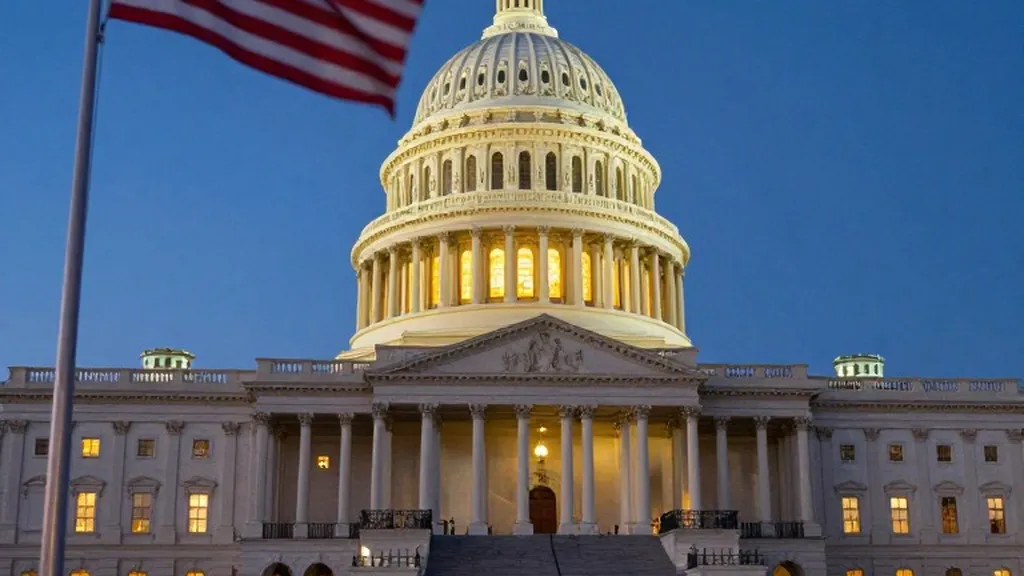
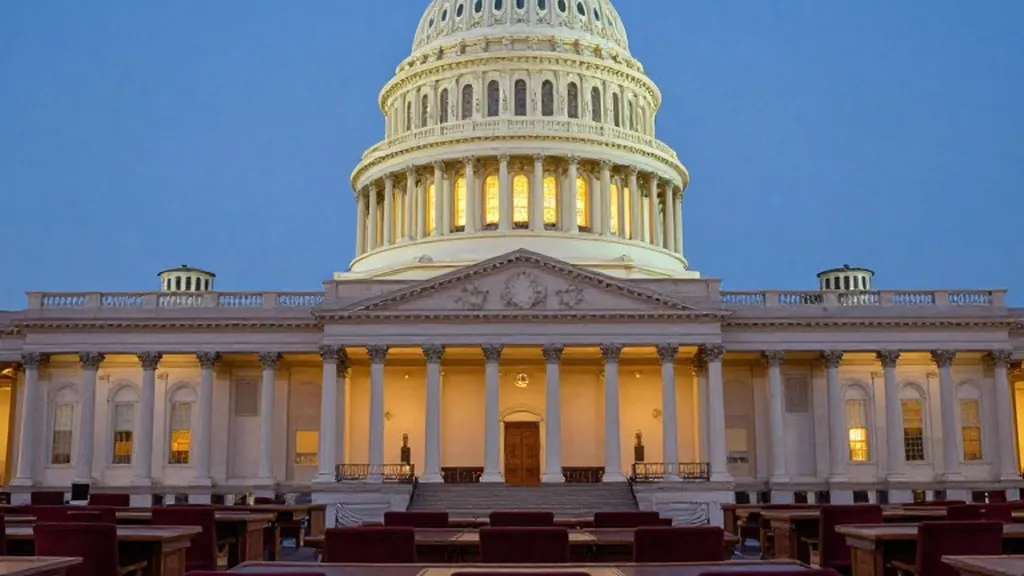
Democrats have taken control of both chambers of Congress in a decisive midterm election, marking a fundamental shift in the balance of power in Washington. The Associated Press reported that the results set up a divided government, with the new Democratic majority poised to reassert itself as a coequal branch ready to challenge President Donald Trump. The victory comes after a nationwide romp where Democrats ousted Republicans from coast to coast, including in many surprising places in between.
In the U.S. House of Representatives, Democrats won 233 seats compared to 138 for Republicans as of 4:12 PM ET on November 4. This represents a net gain of 30 seats for the Democratic Party, securing a significant majority. The sweep was fueled by voter dissatisfaction with the president, the state of the economy, and the ongoing war with Iran. House Democratic Leader Hakeem Jeffries of New York pledged to deliver on the dramatic change that voters requested.
The U.S. Senate also flipped to Democratic control, with Democrats winning 20 of the 35 seats on the ballot while Republicans won 13. Decision Desk HQ projected that Democrats would win control of the chamber as of 11:19 PM ET on November 3. Seven seats changed party hands, all moving to the Democrats. This includes victories in historically Republican states such as South Carolina, Kansas, and Texas, where Democrats had not elected a senator in generations.
President Donald Trump responded to the defeat by focusing on his building projects rather than the election results. On Wednesday, he invited reporters to a construction site to discuss a new White House ballroom, talking for nearly 20 minutes without mentioning the sweeping Republican losses from the night before. Trump insisted that if he were on the ballot, he would have won, and he blamed his candidates for not transferring the love from his rallies to their campaigns. He said that he did not want to spend two years vetoing everything, suggesting a willingness to work with the new Congress despite the gridlock ahead.
Vice President JD Vance distanced himself from the administration's key policies, specifically blaming the war in Iran for the Republican midterm losses. He questioned whether the conflict was worth the cost, a move that signals a potential shift in the party's stance on foreign policy. The AP Voter Poll indicated that only 4 in 10 voters nationwide approved of how Trump was handling the presidency. In losing key states like Ohio, Iowa, Maine, and North Carolina, majorities of voters said the Republican Senate candidates were too supportive of the unpopular president.
The Democratic wave was driven by strong turnout and a focus on economic relief. House Democrats are promising a 100-day agenda that starts with efforts to lower the costs of gas, groceries, and other goods. They also plan to reverse cuts to healthcare programs and launch a robust oversight agenda to hold officials accountable. Rep. Robert Garcia of California, the top Democrat on the House Oversight Committee, issued a warning to the administration, telling them to lawyer up. Sen. Ron Wyden, the top Democrat on the Senate Finance Committee, simply said subpoenas.
Republican redistricting efforts, which were intended to help the party hold a slim House majority, ultimately failed. The AP reported that the plan was systematically dismantled, with Republicans losing most of the Democratic-held seats they targeted. In Texas, Florida, and Alabama, the new district maps did not deliver the expected gains. In some cases, the redistricting angered voters who felt their communities were being reshaped for political advantage. Democratic Rep. Jared Moskowitz noted that his opponents spent $26 million trying to beat him, but voters were concerned about the economy and their quality of life.
The election also produced a wave of historic firsts in state and federal offices. In New Mexico, Deb Haaland became the first Native American woman elected governor. In Georgia, Keisha Lance Bottoms became the first Black female governor, ending 250 years of history without such a figure. In Minnesota, Peggy Flanagan became the first Native American female U.S. Senator. These wins highlighted a broader trend of voters electing candidates from diverse backgrounds, a development celebrated by civic engagement advocates as proof that the country is changing.
Markets reacted to the political shift with a rally, as investors priced in two years of a gridlocked government. The Reuters reported that the Nasdaq 100 index was set to lose value as investors feared the Democratic victory could stall the pace of AI infrastructure expansion, but broader markets rallied on the news. China's cleantech stocks surged as investors bet that a Democratic-controlled Congress would step up support for clean energy. The outcome has also fueled questions about the longevity of the Supreme Court's conservative majority, particularly regarding its two eldest justices.
The new Congress will begin its terms on January 3, 2027, bringing a fresh set of leaders to Washington. The AP noted that the results present a fundamental reshaping of power, with new opportunities and challenges for governing. Democrats are eager to meet voter demands for change, while Republicans face a period of reflection and potential realignment. The coming two years will be defined by a power struggle between the White House and the incoming Democratic Congress, with the economy and national security at the center of the debate.
As the dust settles, the focus turns to the implications for the 2028 presidential race. With the midterm campaigns over, the race to succeed President Trump is set to intensify. A potentially sprawling field of Democrats is already positioning for 2028, but no clear standard-bearer has emerged yet. The 2026 election results have provided a clear mandate for change, setting the stage for a new era in American politics that will test the resilience of both parties in the years to come.