NYC Marathon Marks 50 Years of Expansion From Park Loops to Citywide Route
The 26.2-mile race grew from a 127-person local event in Central Park in 1970 to a multi-borough competition.
By David Almasi ·
The New York City Marathon reached its 50th edition in 2026. The race now draws global attention, but its origins were modest. The first event took place entirely within Central Park on Sept. 13, 1970. Organizers operated on a budget of just $1,000. Runners paid a single dollar to enter.
Only 127 people registered for that inaugural 1970 race. Of that group, 55 crossed the finish line. The course required participants to complete multiple loops around the park. At the time, the event functioned as a small, local road race rather than a major national competition.
As participation numbers rose, the physical limits of Central Park forced a change. Organizers expanded the route to include the other four boroughs. This shift coincided with the city's bicentennial celebrations. The first marathon to span all five boroughs attracted 2,090 entrants. In that year, 1,549 runners finished the course.
This expansion transformed the event from a park-based competition into a showcase of New York's geography. The race now incorporates major bridges and diverse neighborhoods across the city. The route design reflects the growth in runner interest over the past five decades.
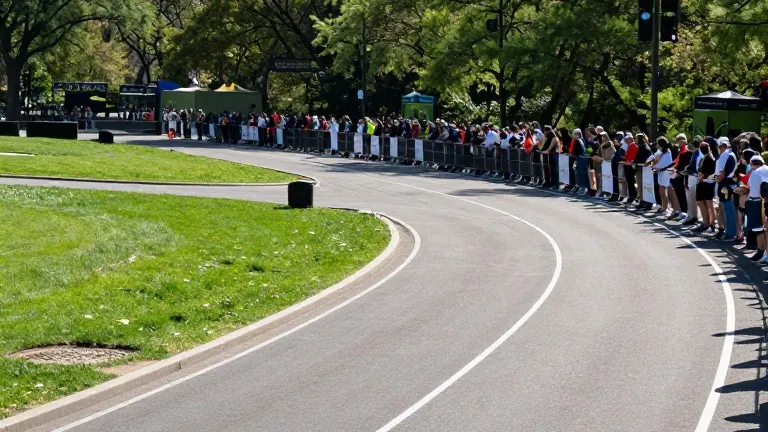
Manhattan remains the final stop for participants. Runners typically train for months or years before attempting the 26.2-mile distance. The home stretch features high-density crowds and tall skyscrapers. The course leads directly into Central Park, returning the race to its original location.
Spectators from around the world gather in the park to watch the finish. The 50th anniversary marks a full circle for the event. The race began as a local loop and ended its half-century of history in the same park where it started.