NASA Moves Orion Docking to High Earth Orbit for 2028 Moon Landing
The agency restructured its lunar architecture to simplify complex orbital maneuvers and support a crewed surface mission by next year.
By Layla Fontaine ·
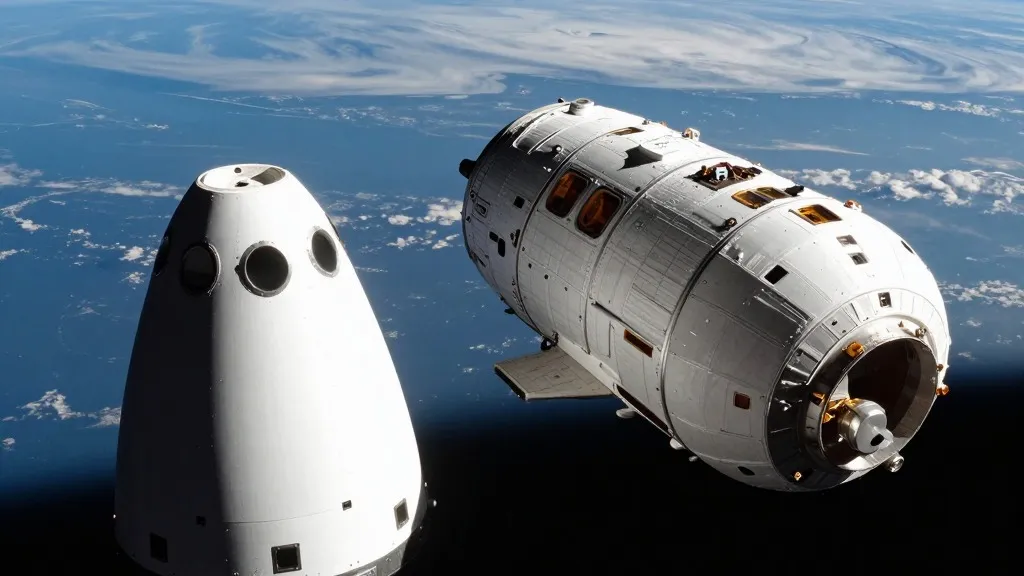
NASA officially shifted the docking point for its lunar landers to high Earth orbit, a significant change in its Artemis program roadmap. This adjustment aims to streamline the process for returning astronauts to the Moon as soon as 2028. The agency detailed these updates during a lengthy news conference held on Friday.
This marks the first time NASA has publicly laid out the specific architectural changes in such depth. While some details had been reported previously, officials now acknowledge substantial shifts in how the missions will be executed. The primary goal remains an actual lunar surface landing during the Artemis IV mission.
For SpaceX, the revised plan eliminates the need to dock the Orion spacecraft with the Starship lander in a complex orbit around the Moon. Instead, the two vehicles will connect in high Earth orbit before traveling to the lunar surface. Engineers had requested this change in early 2026, citing the high energy requirements of the previous near-rectilinear halo orbit. The cancellation of the Lunar Gateway earlier this year effectively resolved this technical hurdle for SpaceX.
The approach for Blue Origin differs significantly from the SpaceX strategy. The agency’s plan for Blue Origin involves four launches of the New Glenn rocket. Notably, this architecture does not require spacecraft-to-spacecraft refueling. Blue Origin’s Blue Moon lander may rendezvous with Orion in low lunar orbit, offering a distinct path to the surface.
NASA officials stated that the Artemis III mission remains on track for a launch in summer 2027. This mission will serve as a demonstration, involving docking procedures with both the Blue Moon and Starship vehicles near Earth. Following this test, the agency is targeting a 2028 launch for Artemis IV, which will see astronauts walk on the Moon.
NASA Administrator Jared Isaacman expressed confidence in the updated timeline during the presentation. He described the current path as achievable given the available resources and stakeholder support. Isaacman emphasized that the agency has the mandate and the means to execute the plan as intended.
Leadership has reviewed every element of the program to identify areas where changes can accelerate progress. The focus has been on helping the lunar lander companies execute their designs more efficiently. By simplifying the orbital mechanics, NASA hopes to reduce risks and costs associated with the complex spaceflight operations.
Despite the clarity provided on Friday, questions remain about the agency’s ability to hold these dates. The timeline is ambitious, and the success of the 2028 landing depends on the continued progress of both private partners. The coming months will be critical in determining if the revised architecture delivers the results NASA promises.