Clancy Defense Asks Court to End Case
Attorneys argue over juror conduct and media restrictions in the retrial of the mother accused of killing three children.
By Layla Fontaine ·
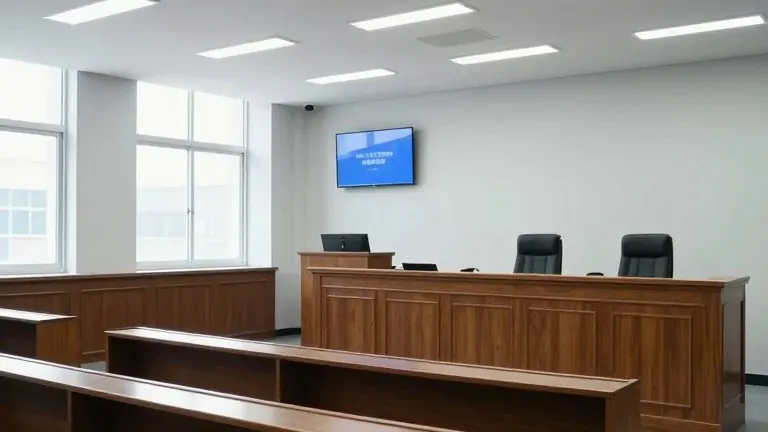
Lindsay Clancy faces a new legal hurdle as her attorney seeks to dismiss the murder charges against her. The hearing began after 9 a.m. on Monday at Plymouth Superior Court, marking the next step in a case that has drawn national attention since the 2023 deaths of her three children in Duxbury, Massachusetts.
Kevin Reddington, Clancy's lawyer, filed a motion to dismiss the first-degree murder charges brought by the Plymouth County District Attorney's Office. The defense previously argued that Clancy suffered from postpartum psychosis during the incidents. The prosecution opposes the motion, maintaining that the evidence supports the charges. The initial trial ended without a verdict because the jury could not reach a unanimous decision. It is not yet clear if the state will pursue a new trial.
A central point of contention in Monday's hearing involved a juror from the previous trial, identified as Juror Doe. The defense requested an investigation into this individual's conduct and media interactions. Reddington argued that the juror's fundraising efforts and public statements suggest a financial motive for holding out against the majority. He noted that the juror made hundreds of thousands of dollars through these campaigns.
The attorney for Juror Doe countered that the juror did not ask to serve and was impaneled with the defense's consent. She described the juror's behavior as engaging in the deliberation process as required by law. The lawyer stated, "We are here because Juror Doe did not vote the way the defense needed." She argued that the defense's claims rely on interviews conducted after the mistrial, which were not available to the court at the time of the original decision.
Judge Sullivan urged the defense to focus on specific requests regarding the juror. She suggested the argument had drifted into territory regarding double jeopardy, a matter already debated. The judge noted that the information about the juror came from a non-neutral source, as the other juror who shared the details had a stake in the outcome. She also pointed out that cellphones were permitted in the courtroom during deliberations.
Prosecutor Sprague responded to the defense's motion to enter evidence about the juror. She stated there was no legal purpose for the motion and called it irrelevant to the core case. Sprague warned that allowing the investigation would open the door to examining the statements and actions of other jurors. The court took a short break after these arguments to discuss the matter privately.
The defense also faces a potential gag order regarding comments made to the media. This motion is expected to be argued later in the session. The high profile of the case has intensified scrutiny of maternal mental health issues. The proceedings continue with the court balancing the rights of the defendant against the integrity of the jury process.
The hearing is ongoing in Plymouth County. The outcome of these motions will determine whether the case proceeds to a new trial or is dismissed. The court will return to address the remaining procedural issues. All parties are present in the courtroom for the continued deliberations.