Blue Planet III Retains Imperfect Visuals to Counter AI Fakes
The BBC nature documentary intentionally preserves cloudy water and technical artifacts to prove its footage is authentic to a skeptical modern audience.
By David Almasi ·
The production team behind Blue Planet III has made a deliberate choice to leave murky water, visible boats, and other imperfections in the final edit. This decision aims to reassure viewers that the stunning underwater sequences are genuine, not the product of artificial intelligence. The strategy responds to a growing concern that computer-generated imagery is becoming indistinguishable from reality in high-end nature programming.
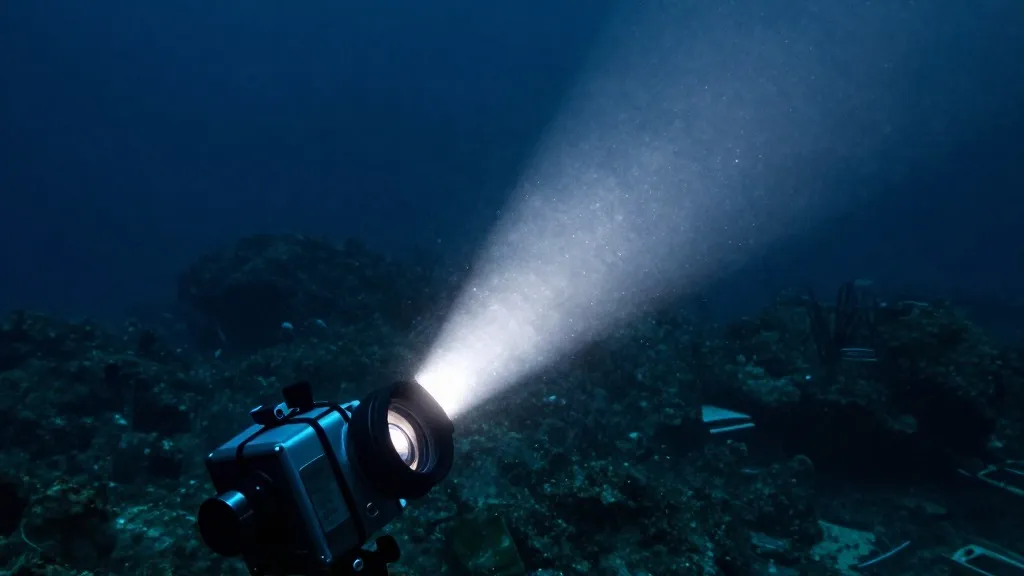
The new series arrives nearly ten years after Blue Planet II highlighted plastic pollution and 25 years after the original broadcast. BBC Studios promises a focus on new animal behaviors and advanced technology, including the world's first underwater CCTV device, known as the stonefish cam. Despite the availability of sharper screens and cameras, the team opted for a more organic aesthetic to differentiate their work from synthetic media.
Executive producer Elizabeth White explained that the rise of AI makes the team desire greater authenticity. She noted that the deep ocean creatures captured on film are likely more remarkable than what AI could imagine. White stated that the production is really leaning into that authenticity and expects to embrace even murkier imagery as technology evolves. Previously, sequences with heavy plankton or poor water conditions might have been discarded, but now such details are retained to signal realism.
During a press screening, Jack Bootle, the BBC's head of specialist factual commissioning, offered journalists a first-of-its-kind assurance. He declared that no generative AI was used in the series and that not a single frame was generated by a machine. Bootle described the project as bursting with novel behavior, suggesting that viewers can look forward to seeing things they have not encountered before despite the golden age of natural history making.
The footage includes several unique sightings, such as dolphins using sea sponges to block holes in coral and trap fish. This behavior was recorded by Yoland Bosiger, the program's producer and director, using the new underwater CCTV. Other scenes feature a grouper communicating with a different fish species, 200,000 crabs lining up to feed, and sea urchins wearing shells as sun hats. A penguin sequence also mirrors a memorable moment from Planet Earth II.
Filming spanned four years across five oceans, with the team building custom equipment like a mini-dome camera for octopuses and a deep-sea selfie stick. Camera operators used leg-mounted scooters to capture immersive diving footage, while lasers helped illuminate deep-sea animals. The series also addresses ocean threats, showing how warmer seas are killing sea anemones and how clownfish attempt to repair their homes. The plastics theme continues with an exploration of pollutants and forever chemicals.
Narrator David Attenborough, who recently turned 100, was heavily involved in the process and made changes to the scripts. White said he remains curious and excited by new footage. While she could not comment on the BBC's recent cost-cutting drive, she noted that the series saved money by employing more local crews on location. Blue Planet III will begin airing on Sunday, November 1, on BBC1 and iPlayer.
More Culture · World news · Report a business · Got a Story?