57 Million Early Votes Set Stage for Turnout Showdown
With polls open, party leaders focus on ground game and voter mobilization as 57 million ballots are already cast.
By Layla Fontaine ·
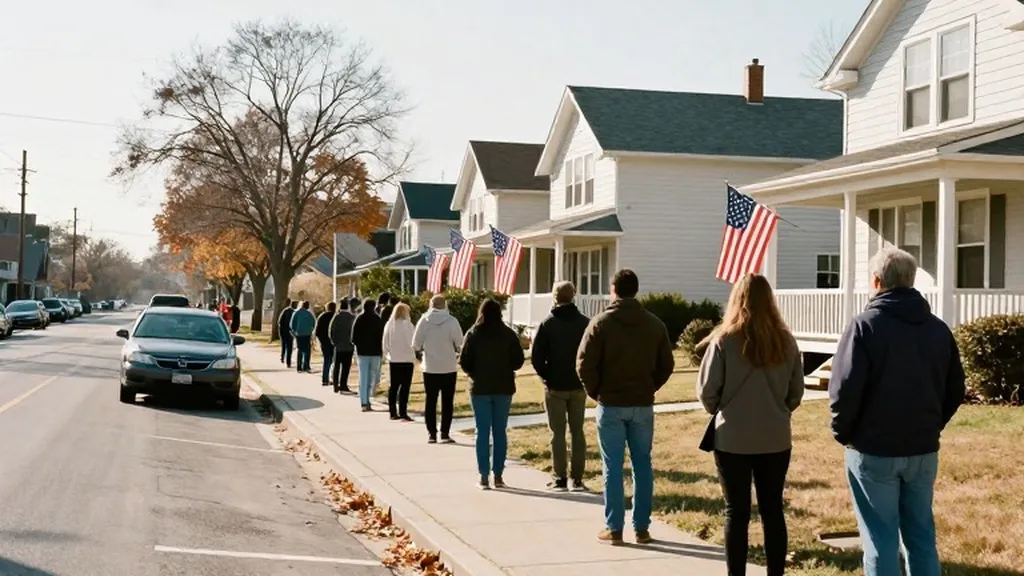
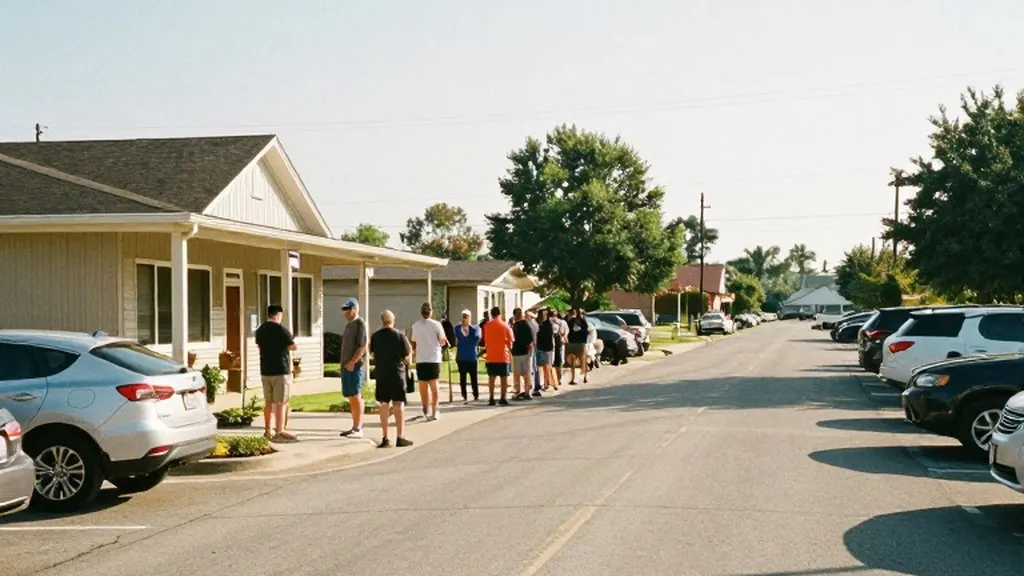
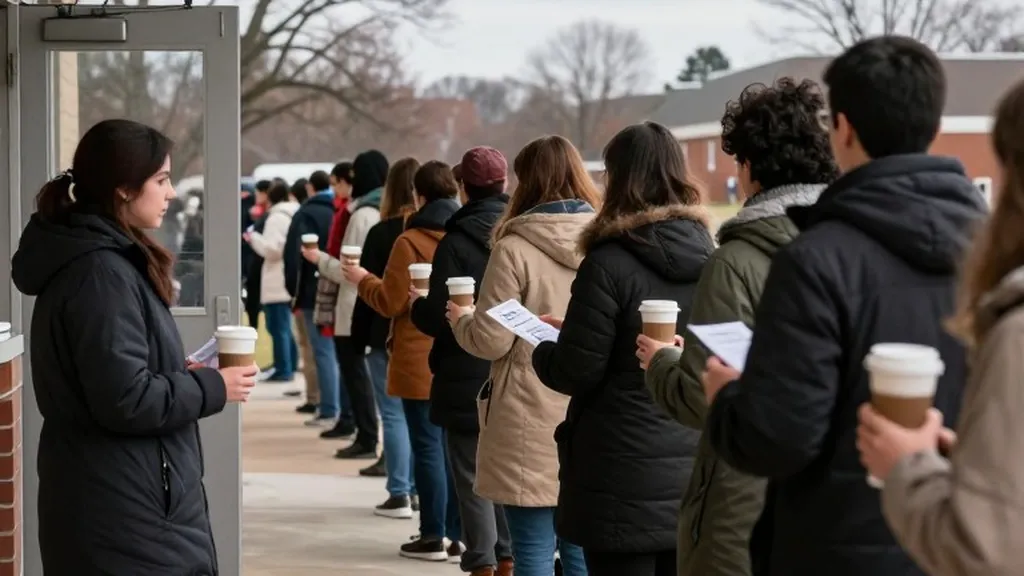
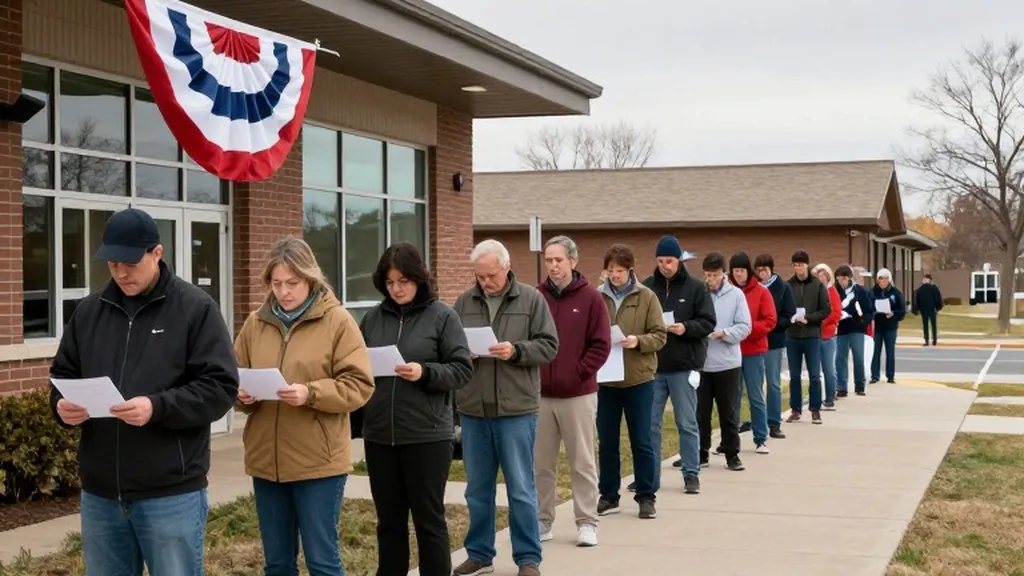
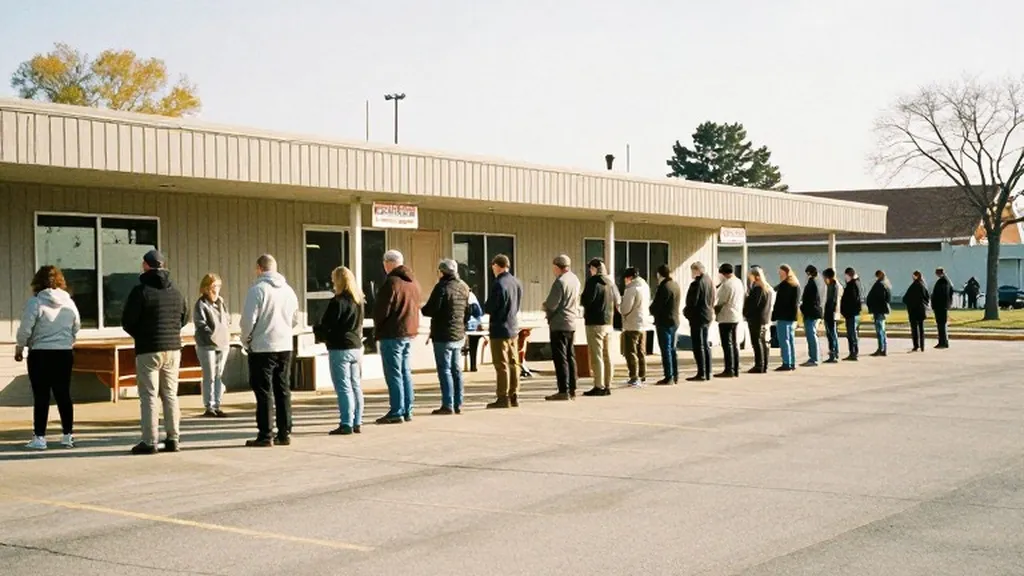
Voters across the United States began casting their ballots on Tuesday, November 3, 2026, in a midterm election that will determine the balance of power in Congress for the final two years of President Donald Trump's second term. The Associated Press reports that more than 57 million people had already voted as of Monday, surpassing the early vote totals of four years ago in many closely watched states. This high level of early participation has shifted the focus for both political parties from persuasion to mobilization, making turnout the central variable in the outcome of the election.
Republican National Committee Chairman Joe Gruters emphasized that the race hinges on getting supporters to the polls. He stated, 'Everything depends on turnout. If we turn out our voters, we win, and that's what we've been planning for.' This strategy reflects a broader Republican effort to counter the historical midterm trend where the president's party often loses seats. Republicans are bracing for the possibility of losing the House but are fighting to hold their majority in the Senate, where they currently hold 53 seats. The AP notes that one or two seats could tip the balance in either chamber, making every vote critical in the 35 Senate races and 435 House districts on the ballot.
Democratic leadership is approaching the day with cautious optimism, driven by what they see as widespread voter dissatisfaction with the current administration. House Democratic Leader Hakeem Jeffries, who would become the first Black speaker if Democrats win the House, has outlined a 100-day agenda focused on the cost of living and oversight. DCCC Chair Rep. Suzan DelBene captured the party's mood by saying, 'The American people are angry. They want change.' Democrats need a net gain of three House districts and four Senate seats to achieve majorities in both chambers. Their ground game has focused on highlighting economic concerns, such as high prices and healthcare costs, which the AP polling indicates are top priorities for many voters.
The AP-NORC polling data shows that 35% of U.S. adults approve of President Trump's job performance, while 25% approve of his handling of the economy. About 7 in 10 respondents say the country is heading in the wrong direction, with most blaming the president for high prices. These figures underscore the economic stakes that voters are weighing as they head to the polls. The election is being described as a referendum on the president's second term, with voters struggling with financial pressures and an unpopular war with Iran. This context has driven the heavy spending on television advertising, with 88.1% of Republican general election TV ad spending directed at states and districts Trump won in 2024.
Ground operations have been intense in battleground states where new congressional maps are in effect following mid-decade redistricting. States such as California, Florida, Missouri, North Carolina, Tennessee, and Texas are using new maps, which may alter the traditional voting patterns in certain districts. In the Senate, 13 races are considered competitive, including contests in Alaska, Florida, Georgia, Iowa, Kansas, Maine, Michigan, Montana, Nebraska, New Hampshire, North Carolina, Ohio, and Texas. The AP notes that economic strain and tariffs have made states like Maine more competitive, while Kansas, a reliably Republican state, has become central to the fight for Senate control due to the retirement of key figures and the introduction of new challengers.
President Trump has been active in campaigning, holding dozens of rallies to energize the base. His schedule included stops in Mississippi, South Carolina, and Texas, ending Sunday in Salina, Kansas, where he urged voters to 'pretend I'm on the ballot.' Many Republican candidates have kept a distance from the president during the campaign, navigating the complex dynamic of his high approval ratings among his base versus his lower national approval numbers. The administration has also been involved in legal battles over election administration, including a lawsuit in Alaska related to the certification of the Senate result and a temporary bar on a plan to prevent noncitizen voting, which critics say risks disenfranchising eligible voters.
Voters in various states have expressed their sentiments directly to reporters. Mark Barker of Palm Beach Gardens, Florida, said he has been following Trump the whole time and really thinks he is doing an awesome job. In contrast, James Moore, a 57-year-old librarian in Raleigh, North Carolina, noted that he is paying more taxes, more for healthcare, and more for everything. These individual perspectives reflect the broader national debate on the economy that is driving voter behavior. The U.S. Postal Service has added hours, staff, and special lines to ensure that mail ballots are counted on time, a critical logistical step given the high volume of early and mail-in votes.
The governor's races are also pivotal, with 36 governorships on the ballot. Republicans hold 26 governor's offices nationally, and Democrats hope to hold a majority of governorships for the first time in two decades. Key matchups include Georgia, where Republican health care executive Rick Jackson faces Democratic former Atlanta Mayor Keisha Lance Bottoms, and Ohio, where Republican Vivek Ramaswamy competes against Democrat Amy Acton. The AP calls Texas, Florida, and Iowa competitive governor races. These state-level contests will shape the policy landscape in states that may swing in the federal races, adding another layer of complexity to the overall outcome of the midterms.
Wall Street is watching the results not only for control of Congress but also for signals on debt ceiling negotiations and AI spending concerns. Reuters notes that the outcome could add to investor anxieties about fiscal policy and regulatory stability. As polls close across the country, with hours varying by state, the focus remains on who will turn out. The 2026 elections are likely to be the most expensive in history, with Republican committees outraising and outspending Democratic committees at the committee level, while Democrats outraised their opponents at the candidate level. This financial disparity underscores the high stakes of the day.