Serbia Votes Monday With 500,000 Incomplete Voter Records
An audit found half a million registered voters lack street addresses, complicating the first truly open race in a decade.
By Carmen Wojcik ·
Aleksandar Vucic faces his toughest test in fourteen years of political dominance as Serbia heads to the polls on October 25. The prime minister candidate, who stepped down as president in late September to seek a new term in the executive role, is running against a student-led opposition movement. This contest marks the first election in over a decade where the outcome is considered genuinely uncertain.
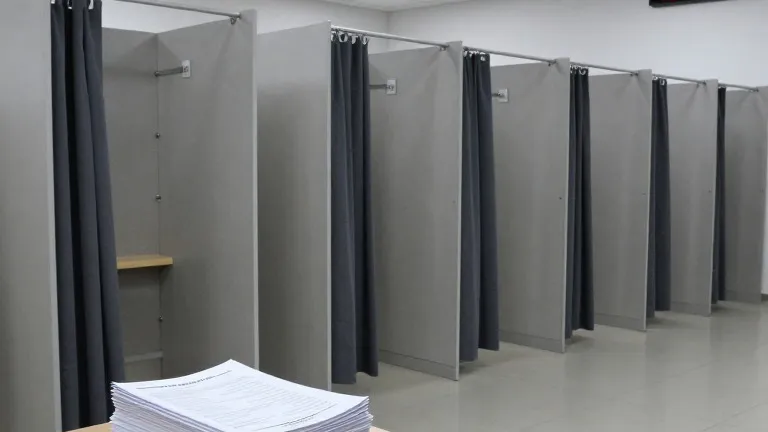
The central conflict centers on the integrity of the voter roll. An investigation by RFE/RL identified approximately 500,000 registered individuals with incomplete address data. These records often miss specific street names or house numbers. The audit also flagged hundreds of voters listed at public facilities like social welfare centers or at residential addresses that cannot logically hold that many people.
These data gaps revive suspicions from the 2023 election, where international observers noted irregularities such as voters being transported from Bosnia-Hercegovina. The current election falls just days before the second anniversary of the Novi Sad tragedy. On November 1, 2024, a railway station canopy collapsed, killing sixteen people. The disaster sparked nationwide protests against corruption in a Chinese-funded construction project.
The opposition list is led by cardiologist Ilija Srdanovic, a nonpartisan figure. The movement has clarified that his position on the ballot does not guarantee the premiership. Vladimir Bilcik, a former European Parliament rapporteur for Serbia, described the vote as the first in over a decade with a truly open result. Current polling shows the electorate deeply divided between the ruling coalition and the student group.
The government claims it fixed all issues flagged by the OSCE in 2023. However, an interim report from the OSCE contradicted that claim. The organization deployed 300 observers to Serbia for the current vote. Investigations also found that the number of eligible voters in Bosnia and Kosovo increased before the election. Four employees of Serbia-funded institutions in Kosovo said they felt pressure to support the ruling party.
Tensions have risen due to allegations of illegal surveillance. A US Senate Foreign Relations Committee statement on October 21 cited reports of monitoring opposition members. Research by the nonprofit SHARE and Toronto University indicated that at least sixteen cases of the Pegasus software were used in 2026. Russian President Vladimir Putin has voiced support for Vucic, while US lawmakers warn of Moscow's influence.
Vucic has pledged to maintain Serbia's foreign policy, including its refusal to join EU sanctions against Russia. The student movement opposes sanctions as well but focuses primarily on fighting domestic corruption. Serbia's progress toward EU membership has stalled since late 2021, with no new accession chapters opened. Democratic backsliding and unresolved relations with Kosovo remain key factors in this impasse.