Federal Lighting Rules: NHTSA Drafts Cyan Standard for Driverless Fleets
The agency proposes optional blue-green markers to replace a patchwork of signals, while eliminating controls designed for human drivers.
By Carmen Wojcik ·
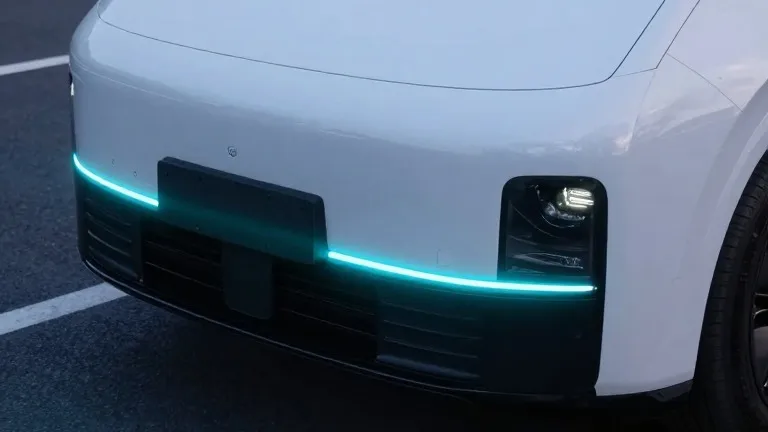
The National Highway Traffic Safety Administration has released a draft rule that would allow robotaxi manufacturers to install a specific blue-green light to indicate the absence of a human driver. This proposal, issued on October 23, 2026, seeks to amend Federal Motor Vehicle Safety Standard No. 108. The amendment aims to create a uniform visual signal for automated driving systems while reducing regulatory friction for vehicle designs that lack traditional driver controls.
NHTSA selected the cyan color to fill a visual gap in current traffic signals. Industry standards currently reserve red, amber, white, and flashing blue or red lights for functions such as braking, turn signals, and emergency services. The agency stated that the cyan marker lamps would clearly and consistently signal to law enforcement and other road users when an automated driving system is operating. This approach ensures that a driverless vehicle does not mimic the lighting cues of a staffed car.
The proposal makes the cyan lights optional for manufacturers. However, if a company chooses to install them, the rule sets federal requirements for the light's color, brightness, and placement. NHTSA intends to prevent a fragmented market where different operators use varying colors or signal patterns. This standard would apply to fleets from companies such as Waymo, Nuro, and Zoox, as well as automakers including GM and Mercedes.
The agency also proposes to remove lighting requirements that rely on physical controls inside the cabin. Current rules mandate physical hazard switches, manual beam shifters, and turn levers. NHTSA would eliminate these requirements for autonomous vehicles. The draft also updates the 12.8-volt testing standard to accommodate modern LED systems. It further considers removing rules that dictate whether high-beam lights must be positioned above or below low-beam lights.
This move aligns with the Department of Transportation's goal to accelerate the deployment of autonomous vehicles. The administration seeks to simplify the certification process for cars built without steering wheels or pedals. While NHTSA is drafting these new standards, it continues to enforce existing rules. Last month, the agency opened an audit query into the Tesla Cybercab to examine the technical data Tesla used to certify the vehicle. The review focuses on the absence of sideview mirrors, pedals, and a steering wheel, which remain required under current federal standards.
The draft rule is currently open for public comment before it becomes final. Manufacturers will need to adopt the new lighting configurations or retain current setups during the transition period. NHTSA has not set a specific timeline for when the optional cyan markers will become available for certification.