Duramax owners keep delete kits illegal despite DOJ shift
Federal prosecutors have paused criminal cases, but the Clean Air Act still bans emissions tampering on street-registered trucks.
By Carmen Wojcik ·
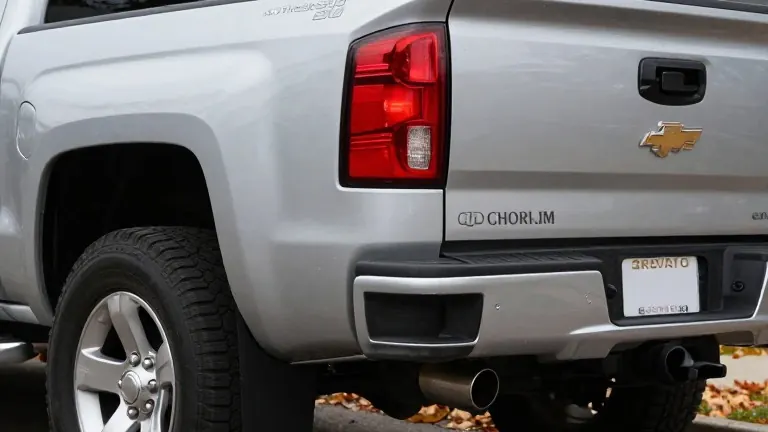
Chevy and GMC Duramax drivers in Westchester County face a distinct legal reality as they prepare their trucks for winter. While recent shifts in federal policy have reduced the threat of criminal prosecution, the act of removing emissions equipment from a vehicle registered for public roads remains prohibited under federal law. This distinction creates a complex environment for owners who rely on their trucks for daily commutes into New York City or for cross-state travel.
The Justice Department has halted the pursuit of criminal charges in the majority of emissions tampering cases. This change explains why many truck owners believe they can now install delete kits without consequence. However, federal authorities continue to reserve the right to pursue civil enforcement when deemed appropriate. The Clean Air Act’s core prohibition on modifying emissions controls on road vehicles has not been repealed, meaning the legal framework restricting these modifications stays intact.
A delete kit consists of hardware and software that bypasses critical emissions systems, including the diesel particulate filter, exhaust gas recirculation system, and selective catalytic reduction unit. Manufacturers typically label these parts for off-road or competition use only. Installing such components on a street-registered truck exposes both the owner and the installer to legal liability, as federal law treats public road vehicles differently from dedicated race trucks.
Civil penalties represent the primary financial risk for owners who delete their trucks. State inspection programs, such as those in New York, routinely test for missing equipment or disabled diagnostics, which can cause trucks to fail. Additionally, modified vehicles often complicate insurance claims and liability determinations after accidents. Dealers frequently decline to purchase deleted trucks, reducing resale value, while tampering usually voids emissions warranties and coverage for related engine components.
Frustration with emissions systems drives much of the interest in deletes. Common issues include diesel exhaust fluid system faults, clogged particulate filters from short trips, and soot buildup in exhaust gas recirculation coolers. These problems can trigger warning lights or reduce engine power. Many owners turn to delete kits to avoid repair costs and perceived reliability issues, hoping for better fuel economy and increased power.
Compliant alternatives exist for owners seeking reliability without legal risk. Driving highway distances allows the diesel particulate filter to regenerate and clear soot naturally. Using quality diesel exhaust fluid and replacing sensors with certified parts can prevent cascading warning codes. Qualified diesel technicians can diagnose recurring issues and recommend repairs that keep the truck legal. Watching for updates from the Environmental Protection Agency and state motor vehicle agencies remains essential, as enforcement priorities may shift in future administrations.