Brazilian Economy: Shift in Labor Forces Alters Presidential Race
A move away from traditional factory jobs toward gig work is influencing voter choice in the final presidential contest.
By David Almasi ·
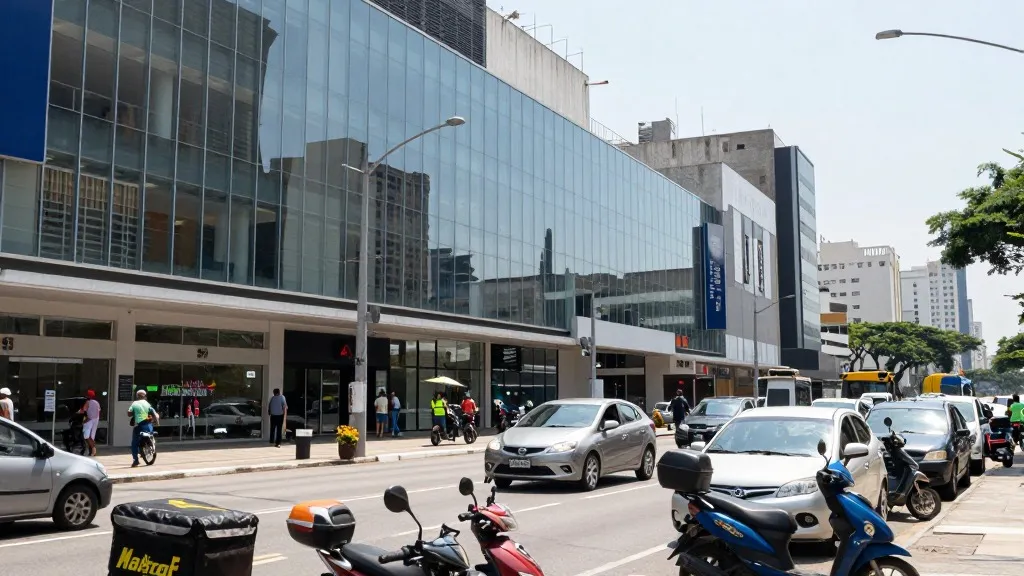
The transformation of Brazil's labor market is a central factor in the upcoming presidential run-off, as the nation moves away from industrial roots toward a service-based economy. This shift is particularly evident in cities like Osasco, which has transitioned from a hub of heavy manufacturing to a center for retail and digital delivery platforms. The change in how citizens earn a living is reshaping political allegiances ahead of the final vote.
Osasco, often referred to as the Silicon Valley of São Paulo, illustrates this economic pivot. In the 2022 election, the municipality supported President Luiz Inácio Lula da Silva. However, in the recent first-round vote, it shifted its support to right-wing candidate Flávio Bolsonaro. Bolsonaro won the first round nationally, continuing a historical trend where every first-round winner since 1989 has secured the presidency.
Union leaders in Osasco note that the traditional working class, which historically backed Lula, has diminished. Gilberto Almazan, a metalworkers' union leader, points out that metal, chemical, and textile factories have been replaced by shopping malls. He describes the current union movement as outdated and observes that many workers now prefer the flexibility of gig economy jobs, a trend he terms Uber-isation, over the collective welfare structures Lula represents.
Despite record-low unemployment and Brazil's removal from the UN's Hunger Map under Lula's current term, many voters feel the benefits are obscured by high prices and debt. Richard Lapper, a biographer of both major candidates, suggests that Brazil's late industrialization and early deindustrialization have intensified these economic pains. Lula is described as a victim of his own success, with a crisis of expectations persisting among the population.
Voter sentiment reflects this tension. Some long-time Lula supporters, including a 53-year-old civil servant and a hot dog vendor, are switching to Bolsonaro, citing government mismanagement and a lack of tangible change. Conversely, others, like a lawyer who voted for Lula in 2022, view Bolsonaro as a hope for change. Flávio Bolsonaro has proposed reducing government spending and ministries while maintaining key welfare programs, though he faces denied corruption accusations.
The first round saw high abstention, with 33 million people not voting, the highest number since 1998. In response, Lula's campaign is mobilizing large crowds, claiming one rally in São Paulo drew a million attendees. The 80-year-old president is also actively using social media to project energy, referring to himself as the king of selfies to counter claims that he is past his prime.
In poorer areas like the Maré favela in Rio, Lula's welfare record still holds weight. Young voters appreciate his increases to the minimum wage and access to free medicines. However, some express concern over Bolsonaro's plan to designate certain gangs as terrorist organizations, fearing police violence. Low turnout in these areas is attributed to polling station changes and a sense of hopelessness.
Religious institutions are also playing a growing role in political life. With about a quarter of Brazilians attending evangelical churches, these groups are providing social services and shaping values. Pastor Silas Malafaia supports Flávio Bolsonaro, citing shared values on family and opposition to abortion. The first-round results suggest a rejection of Lula rather than a full endorsement of his rival, leaving Lula's fate dependent on whether voters believe he can offer a new economic narrative.
The final outcome will likely hinge on how effectively each candidate addresses the changing nature of work in Brazil. As the industrial base fades, the political appeal of traditional union-backed policies is being tested against the desires of a newer, more flexible workforce.
More Politics · World news · Report a business · Got a Story?