3 Dimensions of Recovery Often Missed in Rehab
Restoring strength and range of motion is not enough; training the body's internal GPS is essential to prevent re-injury.
By Layla Fontaine ·
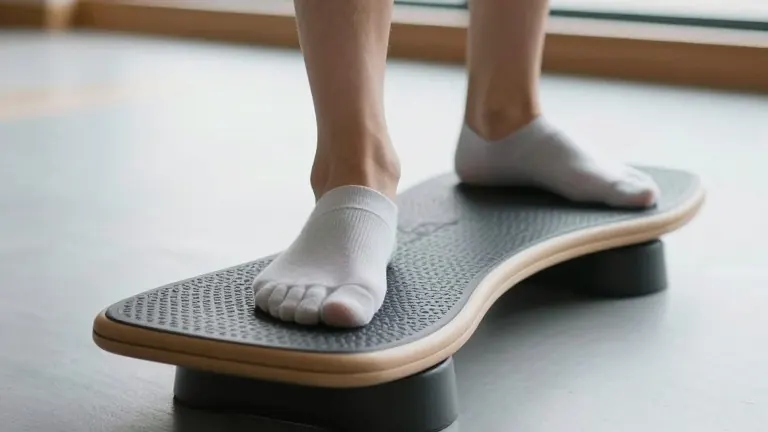
Rehabilitation following a musculoskeletal injury typically focuses on two visible goals: restoring range of motion and building strength. These metrics are easy to measure and track. A third component, however, is frequently undertrained. This component is proprioception, the body's ability to sense its position in space and react automatically to changes in balance.
Proprioception relies on specialized receptors located in muscles, tendons, and joint capsules. These sensors send data to the brain, which then triggers automatic postural adjustments. When an injury occurs, such as an ankle sprain, it damages not only the ligaments but also the mechanoreceptors within them. This damage disrupts the protective reflex arcs that keep a joint stable during movement.
Patients who finish physical therapy with restored strength but poor proprioceptive control are returning with a rebuilt structure but incomplete software. This gap is a leading cause of re-injury. An individual who has sprained an ankle once is more likely to sprain the same ankle again because the sensory system protecting it remains compromised.
Clinicians assess these deficits through tests of joint position sense, balance quality, and reaction time to unexpected perturbations. Early training can begin before maximum strength is achieved because it does not require high loads that stress healing tissue. Exercises start with single-leg standing on firm floors and progress to unstable surfaces like foam pads or wobble boards.
As rehabilitation advances, the training must mimic the specific demands of the patient's activity. For athletes, this includes perturbation training where unexpected forces are applied during movement. It also involves single-leg landing drills and reactive agility exercises. The progression moves from static to dynamic and from predictable to unpredictable environments.
The principles of proprioceptive training also apply to older adults. Age-related decline in this sensory system is a primary factor in falls. Evidence-based programs like the Otago Exercise Programme have been shown to reduce fall rates. The mechanism is identical to athletic rehab: improving automatic protective responses reduces the chance that a slip or stumble leads to a fall.
A major barrier to complete recovery is insurance coverage. Authorized therapy visits often end when pain resolves and basic strength returns. Sport-specific proprioceptive work, which requires more time, frequently falls outside the covered period. This leaves patients responsible for maintaining a home exercise program to continue the neurological adaptation needed for long-term joint protection.
More Business · Business Watchdog · Report a business · Got a Story?