1,300 Acres of Finnish Forest Cleared by Google for AI
A major tech firm's rapid construction in rural Finland has displaced local wolf packs, leading to increased wildlife sightings in nearby villages and a formal order to halt work.
By David Almasi ·
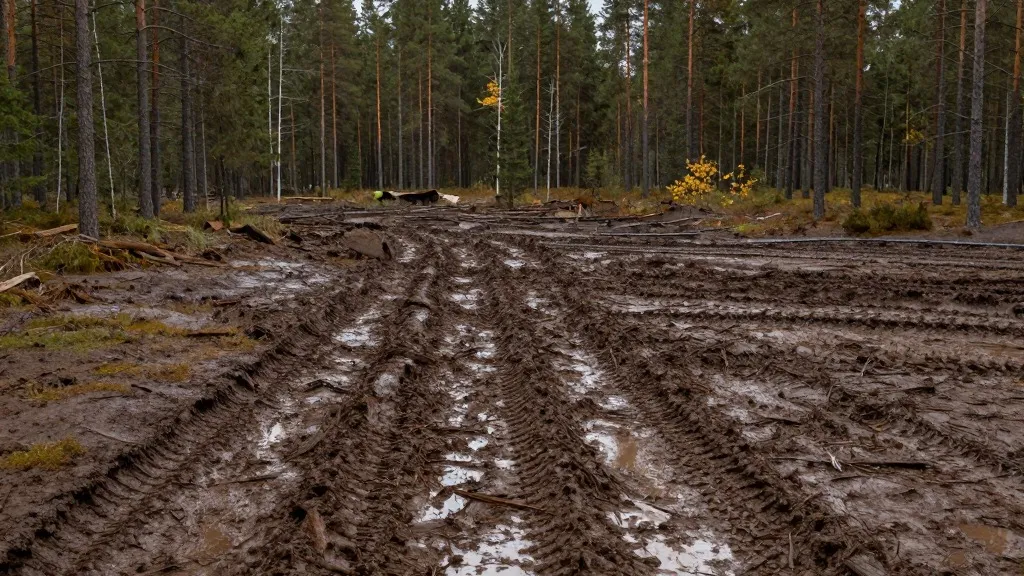
The figure stands at 1,300 acres. That is the approximate total area of forest cleared by Google in the vicinity of Muhos and Otanmäki, Finland, in a push to establish new AI data centers. The scale of this land removal has transformed a dense woodland into what locals describe as a vast expanse of mud, fundamentally altering the local landscape and ecosystem within a matter of months.
The breakdown of the land usage reveals the magnitude of the disruption. Approximately 816 acres have been turned into mud near Muhos, while another 500 acres have been cleared in the area southeast of Otanmäki. This total of 1,300 acres represents a significant portion of the local green space. The physical transformation has not been a gradual process but a rapid conversion of terrain, leaving behind a landscape that residents say is unrecognizable compared to its previous state.
The people most affected by these changes are the residents of the nearby villages, particularly in Otanmäki, which sits 55 miles southeast of the main clearing site. Anni Ranta, a 53-year-old local whose family has lived in the area for generations, has become a vocal figure in the community's response. She notes that the displacement of wildlife has led to wolves and other animals roaming into the villages. This shift in animal behavior is viewed by families in the area as a serious safety concern, changing the daily reality of life in these rural communities.
Ranta expressed her concern to reporters, stating that the wild animals moved out of the forest, resulting in wolves coming into the village. Beyond the immediate ecological impact, she also raised a geopolitical worry. She fears that the presence of U.S.-owned data centers in the region could make Finland a more attractive target for Russian aggression, adding a layer of strategic anxiety to the environmental dispute.
The stakes for Google are now both regulatory and reputational. The Finnish Licensing and Supervision Authority, known as LVV, has issued an order for the company to cease work in the affected areas. This regulatory step follows an earlier notice given to Google to stop construction activities in Muhos and Kajaani. The intervention suggests that the pace of development has outstripped the established environmental policies, leading to what some observers call a flouting of standard procedures.
A representative for the Finnish Association for Nature Conservation indicated that Google's handling of environmental policy has been unprecedented and clear in its deviation from norms. The association’s stance aligns with the actions of the LVV, which has moved to enforce a pause in development. This regulatory pressure highlights a growing tension between the rapid expansion of AI infrastructure and the established environmental protections of the host country.
Despite the regulatory halt, Google maintains a positive public posture. A spokesperson for the company stated that they will fully comply with the LVV’s requests. The company expressed its desire to maintain an active and open dialogue with all authorities to strengthen its partnership with Finland and local organizations. This approach suggests that Google is betting on the long-term business benefits of the data centers to sway regulators and the government in its favor.
The situation in Finland mirrors complaints seen in other countries where AI data center developers have faced scrutiny. Locals have grumbled about construction noise, streams turning brown, and rare birds being pushed out of their habitats. These are not isolated incidents but part of a broader pattern of environmental side effects associated with the global buildout of AI infrastructure. As the mud settles and the wolves continue to roam, the question remains how much forest is worth to the race for artificial intelligence dominance.